

Nischayathartham Explained: South Indian Engagement Rituals
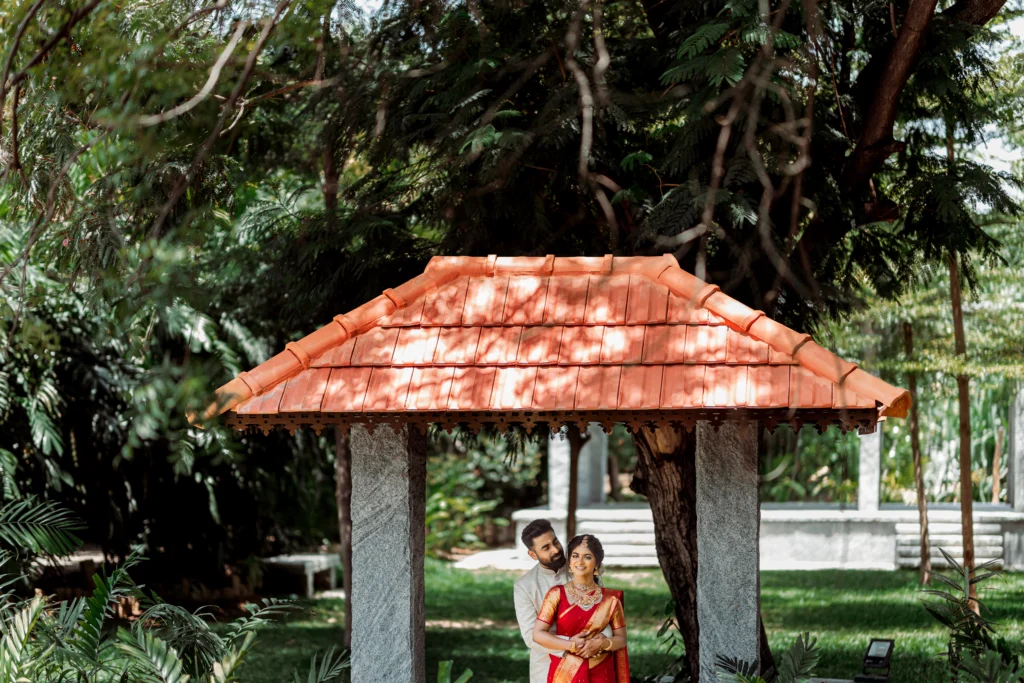
Nischayathartham isn’t just the Tamil word for “engagement” — it’s a specific, structured ritual with its own sequence, its own significance, and its own set of expectations that go well beyond a ring exchange. If you’re attending one for the first time, or planning your own and want to understand what actually happens, here’s the ritual broken down step by step.
What Does Nischayathartham Mean?

The word itself roughly translates to “the settling of the decision” — nischayam meaning decision or certainty, and artham pointing to its meaning or purpose. That translation captures the ceremony pretty well: it’s less a celebration in the way a wedding is, and more a formal, almost legal-feeling moment where the decision to marry gets confirmed in front of both families.
This is part of why Nischayathartham carries more ritual seriousness than functions like haldi or sangeet. It’s not meant to be loose or spontaneous — every part of it exists to formally seal the agreement between two families.
The Ritual Sequence, Step by Step
The Groom's Family Arrives
The ceremony typically begins with the groom’s family arriving at the bride’s home or the chosen venue, usually bringing gifts, fruits, and sweets as a gesture of goodwill. This arrival itself is treated with some formality — the bride’s family welcomes them in, and it sets the tone for the rest of the ceremony.
Exchange of Coconuts, Betel Leaves & Gifts
Coconuts and betel leaves are exchanged between both families, a tradition considered auspicious and symbolic of prosperity for the couple. Alongside this, families often exchange trays of fruits, sweets, and sometimes clothing or jewelry, depending on how elaborate the family wants the ceremony to be.
The Father's Formal Agreement
This is the moment considered central to Nischayathartham — the bride’s father formally states his agreement to the marriage, often in front of both families and sometimes with a priest present to guide the wording. It’s a brief moment, but it’s the one the entire ritual builds toward.
Announcing the Wedding Date
Once the agreement is made, the wedding date and muhurat are formally announced, often read aloud by a priest or an elder from both families. This is treated as an official confirmation rather than a casual mention — from this point on, the date is considered locked in.
The Ring Exchange
The ring exchange usually comes last, after all the more traditional elements are complete. It’s often the quickest part of the whole sequence, but it tends to be the moment guests and photographers are most anticipating, even though it’s almost an afterthought compared to what precedes it.
Who's Involved & Their Roles
The bride’s father plays the most central role, since the formal agreement rests with him — his statement is what makes the ceremony official. Elders from both families are typically seated close to the center of the ritual, offering blessings at different points throughout, while a priest often guides the sequence and reads out the auspicious date and time.
The bride and groom themselves are present throughout, but much of the ceremony happens around them rather than being driven by them — a detail that catches some non-South-Indian guests off guard, since it’s such a different dynamic from a typical engagement party. Extended family and close friends usually attend as witnesses to the whole exchange, though the core ritual moments involve a fairly small, specific group.
How Long Does It Take?
Nischayathartham typically runs anywhere from 45 minutes to about an hour and a half for the ritual itself, depending on how elaborate the family wants the gift exchange and blessings to be. If it’s paired with a larger reception-style gathering afterward — food, music, more guests — the full event can easily stretch to two or three hours, though the core ceremony is usually done well within the first hour.
Families planning around a tight schedule, especially if travel or venue timing is involved, should budget for the ritual itself to run efficiently, but leave some buffer for the informal parts before and after, since those tend to run longer than expected once everyone starts talking.
Final Thoughts
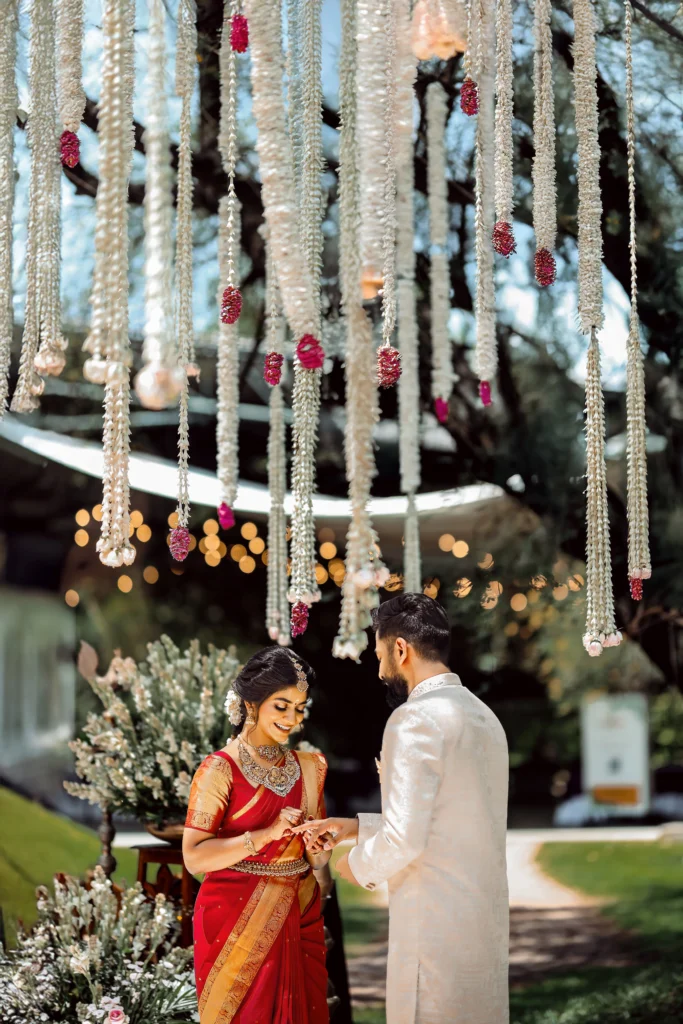
Nischayathartham might look, on the surface, like just another engagement ceremony, but the sequence behind it says otherwise — every part of it exists to formally, publicly seal a decision between two families. Once you know what to expect, it’s easier to appreciate why it feels so different from a typical ring-exchange event.