

Everything You Should Know Before Hiring a Destination Photographer
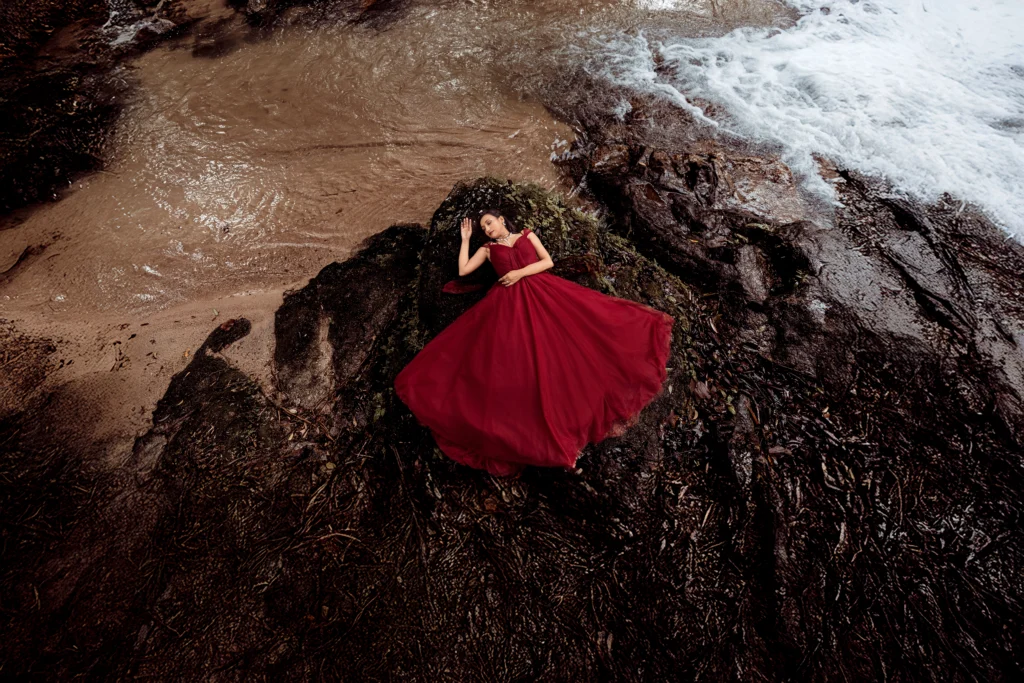
Hiring a photographer for a wedding at home is one decision. Hiring one for a wedding somewhere else entirely is a different decision altogether, with less room to fix things if it goes wrong. There is no popping down the road to check a portfolio in person, no easy reshoot if something gets missed. If you are planning a destination wedding and trying to figure out who should be behind the camera, here is what actually matters before you decide.
More Than Just Regular Photography, Elsewhere
It is tempting to think destination photography is just regular wedding photography with a plane ticket attached. It isn’t, not really. Light behaves differently in a new location and someone who is never shot on a particular coastline or in a particular kind of venue is learning that light in real time, on your wedding day, instead of already knowing it.
Indian weddings add another layer most generic destination guides don’t account for. A wedding week rarely means one ceremony, it means haldi, sangeet, the wedding itself, sometimes spread across two or three locations within the same trip. A photographer who has actually done this before understands how those days connect, where the light will be at each function and how to move a large family through multiple settings without the day feeling rushed or disjointed.
Local-to-You vs. Local-to-the-Destination
Two real options here, both with real tradeoffs. A photographer who already knows you and your family brings something hard to replace. They’ve likely shot a haldi or a Nischayathartham before and know exactly what to watch for. What they might not know is the location itself, the light at that specific time of year, how a new venue actually behaves once the sun starts moving.
A photographer based at the destination knows the place is cold. Best times of day, quiet corners nobody else finds, the practical rhythm of that specific venue. What they might not have is real experience with an Indian wedding’s ritual sequence, and that gap tends to show up in missed moments, not missed backdrops.
Neither wins outright. It comes down to what matters more for your wedding, someone who understands your traditions or someone who understands your location. The better answer, honestly, is a photographer who’s spent real time doing both.
What to Look for in a Portfolio
A pretty gallery isn’t enough on its own. Look for evidence they’ve actually handled what your wedding will involve, multiple functions across a few days, large extended families, ceremonies with a real ritual sequence rather than just posed portraits. If your wedding includes a haldi or a sangeet alongside the main ceremony, check whether their portfolio shows they know how to shoot both the structured moments and the chaotic, candid ones.
Pay attention to consistency across an entire gallery rather than a handful of standout shots. Anyone can get lucky with one or two frames. What matters is whether the quality holds up across an entire wedding day, in different lighting, at different points in the ceremony, with different sized groups. If they’ve shot at destinations similar to yours before, even better, but ritual experience should weigh just as heavily as location experience.
The Travel Conversation to Have Early
Easy to put off, expensive to skip. Figure out early who’s handling the photographer’s travel and stay, and whether that’s built into their package or sits separately. Leave this vague and it tends to surface at the worst possible time, usually a week before the wedding, when there’s no calm way left to sort it out.
Ask about buffer time too. Flights get delayed. Connections get missed. A photographer who builds in a day or two of cushion before the first function is protecting your wedding, not just covering themselves. Ask directly what happens if travel goes wrong. The answer tells you more about them than almost anything else on this list.
Getting Communication Right Before the Day
A destination wedding leaves less room for on-the-spot adjustments than a hometown one does. Share the full sequence of functions well in advance, haldi in the morning, sangeet that evening, the wedding itself the next day, so your photographer walks in already knowing the shape of the week rather than piecing it together as it happens.
This matters even more when multiple locations are involved. If the sangeet is at one venue and the wedding ceremony at another, your photographer needs to know the timing and travel between them well enough to plan around it, not scramble through it. A quick call or shared document with the full itinerary, key family members and any specific moments that matter to you goes a long way toward a day that actually runs the way you pictured it.
What Should Be in Writing
A verbal understanding, however clear it feels in conversation, isn’t the same as something written down. A proper contract should cover the dates and locations involved, the hours of coverage for each function, what’s included in delivery, photos, edited galleries, albums if applicable and the timeline for receiving everything after the wedding.
It should also address the less comfortable scenarios. What happens if travel is delayed? What happens if a function runs long or gets rescheduled. These aren’t questions meant to create doubt, they are meant to protect the day itself, so that if something unexpected comes up, there is already a clear understanding of how it gets handled rather than a conversation happening under pressure.
Questions Worth Asking First
A few honest questions early on save a lot of guesswork later. Have you shot Indian weddings with more than one function before? Have you worked somewhere like this destination? What happens if the schedule shifts at the last minute?
Also worth asking, how they handle multiple locations in a single day if a second shooter is needed, and how soon you’ll see the first few photos after the wedding. None of this should feel like an interrogation. Someone who has done this before will answer easily, they have heard these questions many times already.
Final Thoughts
Hiring a destination photographer comes down to trust built before the wedding, not just talent shown in a portfolio. Ask the questions, get things in writing and choose someone who understands both your traditions and the place you are getting married in. That combination is what actually protects the day.
Ready to talk through your wedding? Get Your Personalized Quote Now and we’ll walk you through exactly how we’d approach your destination wedding.