

Just Got Engaged? 15 Things to Do Before Wedding Planning
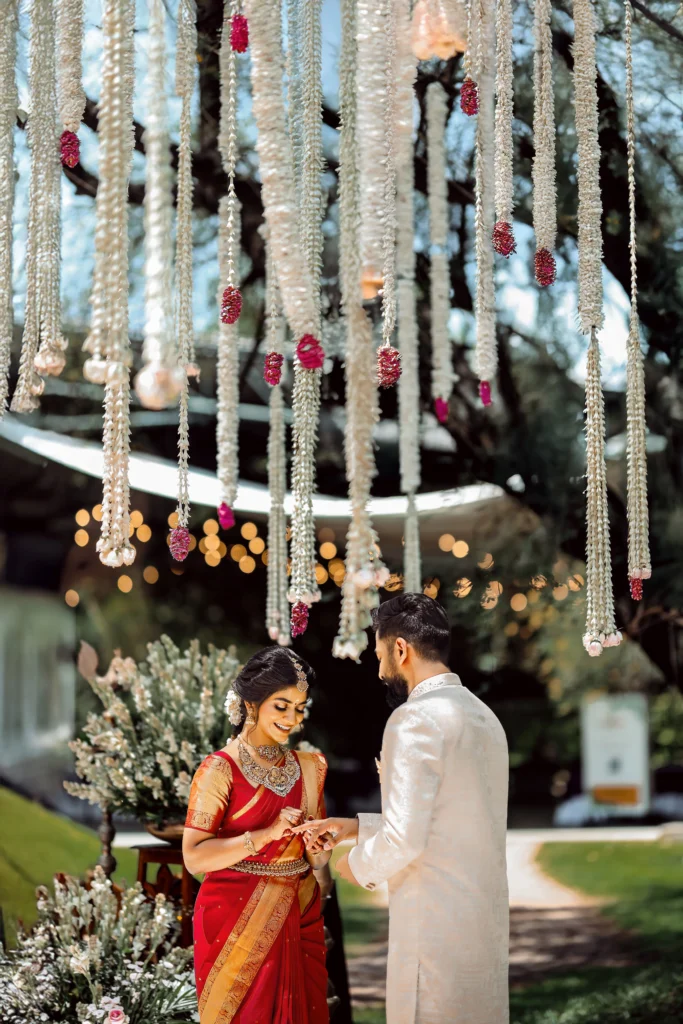
Getting engaged is one of those moments you’ll remember for the rest of your life. Between celebrating with family, sharing the news with friends and hearing everyone ask, “So, when’s the wedding?”, it can feel like you need to start planning immediately.
But you don’t have to figure everything out at once. Before you start booking venues, comparing vendors or building endless Pinterest boards, take some time to enjoy this new chapter together. Once you’re ready, a few simple decisions can help you begin your wedding planning journey with much less stress.
Take Some Time to Enjoy Your Engagement
Before diving into wedding planning, give yourselves a little time to simply enjoy being engaged. Celebrate with each other, spend time with the people closest to you and take in the excitement of what just happened.
There will be plenty of decisions to make over the coming months, so there’s no need to start checking off a wedding checklist the very next day. Take a few photos, go out for a special date or simply enjoy the moment together.
Your engagement is more than the beginning of wedding planning. It’s a special chapter in your relationship, so make sure you actually get to enjoy it.
Tell Your Family and Announce Your Engagement
Once you’ve had some time to enjoy the moment together, it’s time to share the good news with the people who matter most. Start by telling your parents, siblings and closest family members before announcing it publicly.
You can then share your engagement with friends and a wider circle through a simple message or social media post. If you have engagement photos, this is also a great opportunity to share a few of them.
There’s no right way or timeline for announcing your engagement. Choose whatever feels comfortable for both of you and enjoy telling your loved ones about this exciting new chapter.
Talk About the Wedding You Both Want
Before choosing a venue or setting a budget, take some time to talk about what you both want your wedding to feel like. You may already have different ideas about the size, style or location, so discussing them early can make the planning process much easier.
Would you prefer a grand traditional wedding or a more intimate celebration? Are you imagining a destination wedding, a temple ceremony, a resort celebration or an outdoor wedding? Think about the kind of experience you want to create for yourselves and your guests.
You don’t need to have every detail decided at this stage. Start with a shared vision and let the smaller decisions follow from there.
Set Your Budget and Make a Rough Guest List
Once you have a general idea of the wedding you want, it’s time to talk numbers. Set a comfortable budget together and discuss who will be contributing to the wedding expenses. You don’t need an exact figure immediately, but having a realistic range will make your decisions much easier.
At the same time, create a rough guest list. Start with immediate family, close relatives and friends, then add others based on your priorities. Your guest count can have a major impact on the venue, catering, décor and overall budget, so it’s better to have an estimate before making major bookings.
Most importantly, decide what matters most to both of you and leave some room in the budget for unexpected expenses.
Decide on a Wedding Date or Season
With your budget and guest count in mind, start thinking about when you want to get married. You don’t necessarily need to choose an exact date straight away. Shortlisting a month or wedding season can be a good place to start.
Consider family availability, weather, travel plans and, for traditional Indian weddings, auspicious dates or the preferred muhurtham. It’s also worth checking how your preferred season may affect venue and vendor availability.
Once you have a few possible dates in mind, you’ll have a much clearer starting point for booking your venue and other important vendors.
Choose Your Wedding Location and Venue
Once you have a date in mind, start looking at where you want to get married. Your location can influence everything from the guest experience and travel arrangements to the overall style of your wedding.
Think about whether you want a wedding in your hometown, a different city, a temple, a resort, a wedding hall or an outdoor venue. Once you have narrowed down the type of location, shortlist a few venues that suit your guest count and budget.
Before booking, check the venue’s availability, capacity, catering options, accommodation, parking and any restrictions on outside vendors or décor. Visiting the venue in person can also help you understand whether it truly fits the wedding you have in mind.
Decide Which Wedding Vendors You Need
With your venue and date taking shape, start making a list of the vendors you’ll need for the wedding. The exact list will depend on the size and style of your celebration, but most couples will need a photographer, videographer, makeup artist, decorator, caterer and, in some cases, a wedding planner.
You may also need vendors for invitations, entertainment, mehndi, jewellery or other wedding-specific requirements.
You don’t have to book everyone at once. Start by identifying the vendors who are most important to you and research them early, especially those who tend to have limited availability during popular wedding dates.
Start Looking for Your Wedding Photographer
Your wedding photographer is one of the vendors worth researching early. Good photographers can get booked months in advance, especially during popular wedding seasons.
When comparing photographers, don’t look only at Instagram posts or follower counts. Go through complete wedding galleries to see how they capture different moments, lighting conditions and emotions throughout the day. Look at their photography style and check whether it matches the kind of memories you want.
It’s also worth asking about the team, album options, videography, delivery timelines and what is included in the package. Most importantly, choose someone whose work you genuinely connect with, because these are the photographs you’ll keep coming back to long after the wedding.
Create a Wedding Inspiration Board
Once you have a basic idea of your wedding, start collecting inspiration for the details you love. Pinterest and Instagram can be useful for saving ideas for decor, outfits, colours, makeup, ceremony setups and photography.
Instead of trying to recreate every picture you save, look for patterns in the ideas you naturally gravitate towards. You may notice that you prefer a particular colour palette, decor style or photography approach.
Keeping these ideas in one place can also make it easier to explain your preferences to your vendors later.
Decide Your Top Wedding Priorities
You don’t have to spend equally on every part of your wedding. Instead, sit down together and decide which parts matter most to both of you.
A simple way to do this is to ask: If you could spend more on only three things, what would they be? It could be photography, food, décor, outfits, entertainment or the venue.
Knowing your priorities early will help you use your budget wisely and make decisions more confidently when you have to choose between different options.
Create a Simple Wedding Planning Timeline
Once the major decisions are in place, create a simple timeline for the months ahead. You don’t need to plan every detail immediately. Focus on booking the important vendors first and leave the smaller decisions for later.
- 12–18 months before: Budget, guest list, date and venue
- 9–12 months before: Photographer, videographer, major vendors and outfits
- 6–9 months before: Invitations, makeup artist, jewellery and pre-wedding shoot
- 3–6 months before: Décor, ceremony details and guest arrangements
- 1–3 months before: Final vendor confirmations, payments and wedding-day timeline
Having a rough timeline will help you stay organized without feeling like you need to do everything at once.
Don't Let Wedding Planning Take Over Your Relationship
Wedding planning can quickly become a big part of your daily conversations, but try not to let it become the only thing you talk about. With budgets, bookings and family opinions coming from every direction, it’s easy to feel overwhelmed.
Make time for regular dates, conversations and experiences that have nothing to do with the wedding. When you disagree on a decision, remember that you’re planning this celebration together, not competing with each other.
The wedding is an important day, but your relationship is what makes the day worth celebrating.
What Should You Do First After Getting Engaged?
The first thing you should do after getting engaged is simply enjoy the moment together. When you’re ready to start planning, don’t try to figure out everything at once.
Start with four basics: decide what kind of wedding you want, set an approximate budget, make a rough guest list and choose a preferred date or season. These decisions will give you a clear direction and make it easier to choose your venue and vendors later.
Once these foundations are in place, you can gradually work through the rest of your wedding plans without feeling overwhelmed.
Final Thoughts
Getting engaged is the beginning of an exciting chapter, but you don’t need to have your entire wedding planned right away. Start with the important decisions, take things one step at a time and give yourselves time to enjoy the process.
There will be plenty of choices to make along the way, so focus on creating a wedding that feels meaningful to both of you rather than trying to follow every trend.
Most importantly, remember to enjoy the journey. Long after the decorations are taken down and the celebrations are over, the memories you create together will be what truly stays with you.