

Tamil Wedding Rituals in Order: A Guide for Couples
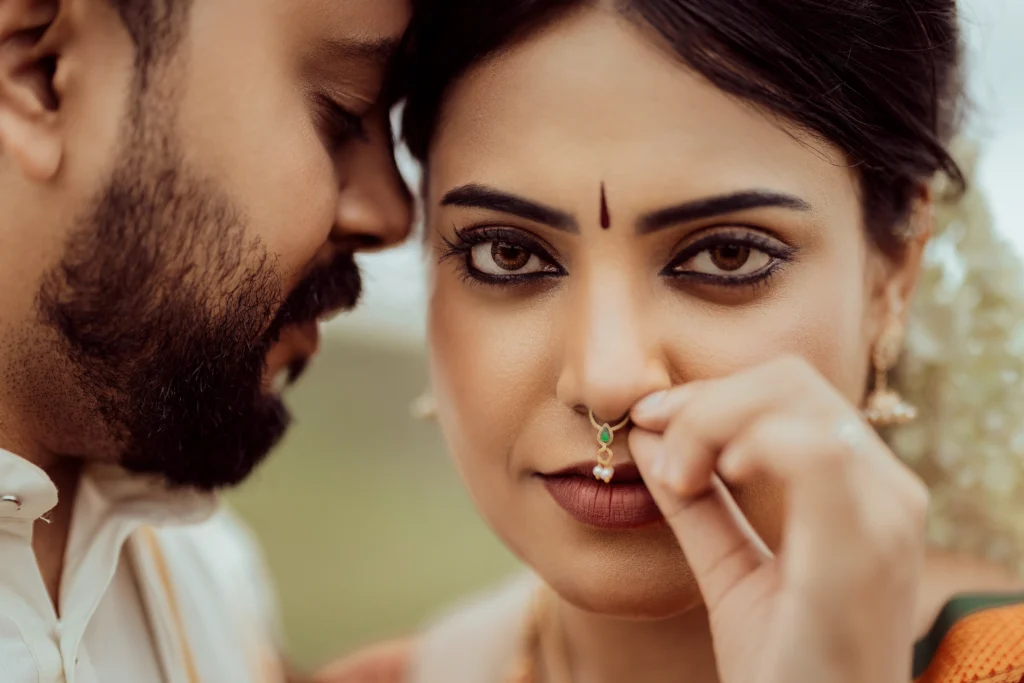
Tamil weddings are rich in cultural traditions, meaningful rituals, and family celebrations that bring two people together in marriage. From the engagement ceremony to the sacred muhurtham, each ritual reflects the values, blessings, and customs passed down through generations.
Understanding Tamil wedding rituals in order can help couples and their families prepare for the celebrations and appreciate the significance behind each ceremony. While traditions may vary across communities and families, this guide explores the commonly followed rituals in a traditional Tamil Hindu wedding.
Pre-Wedding Rituals
Tamil weddings often begin with several pre-wedding ceremonies that bring both families together and prepare the couple for their marriage. These rituals seek blessings, celebrate the union, and mark the beginning of the wedding festivities.
Nichayathartham (Engagement)
Nichayathartham is the formal engagement ceremony where the bride and groom’s families confirm the marriage alliance. The couple exchange rings or gifts, and elders offer their blessings. It is often accompanied by prayers and a festive gathering.
Pandha Kaal Muhurtham
Pandha Kaal Muhurtham is a traditional ceremony performed before the wedding to seek divine blessings for a smooth and prosperous celebration. A ceremonial post is erected, symbolising auspicious beginnings and protection for the wedding festivities.
Mehndi and Nalangu
Mehndi is a joyful pre-wedding celebration where henna is applied to the bride’s hands and feet. Nalangu is a traditional, playful ceremony involving blessings and light-hearted activities between the couple and their families. These celebrations bring everyone together and create memorable moments before the wedding day.
Wedding Day Rituals
The wedding day is the heart of a traditional Tamil wedding, with rituals that symbolise commitment, family blessings, and the beginning of married life. While the exact sequence may vary between communities, these are some of the commonly observed ceremonies.
Kashi Yatra
During Kashi Yatra, the groom symbolically announces his intention to leave for Kashi to pursue a spiritual life instead of marriage. The bride’s father or another elder persuades him to return and accept his responsibilities as a householder, leading him toward the wedding ceremony.
Maalai Maatral
Maalai Maatral is the ceremonial exchange of flower garlands between the bride and groom. Often accompanied by playful moments as family members lift the couple, this ritual represents their acceptance of one another and the joyful union of their families.
Oonjal
During the Oonjal ceremony, the couple sits together on a decorated swing while family members sing traditional songs and offer blessings. The gentle swinging symbolises balance and togetherness as the couple begins their married life.
Kanyadaanam
Kanyadaanam is the ritual in which the bride’s family formally entrusts her to the groom. It represents the family’s blessings and the couple’s commitment to building a life together.
Mangalya Dharanam
Mangalya Dharanam is one of the most significant moments of a Tamil wedding. The groom ties the sacred thali around the bride’s neck, symbolising their marriage and lifelong commitment. Family members shower the couple with blessings, often accompanied by traditional music and celebration.
Saptapadi
Saptapadi involves the couple taking seven symbolic steps together, representing their shared promises and responsibilities in married life. In traditions where this ritual is performed, it marks an important part of the wedding ceremony.
Post-Wedding Rituals
Post-wedding rituals mark the bride and groom’s transition into their new life together and celebrate the joining of their families. These customs vary across Tamil communities, but two commonly observed traditions are:
Grihapravesham
Grihapravesham is the bride’s ceremonial entry into her new home. She is welcomed with traditional customs and blessings that symbolise prosperity, happiness, and a harmonious married life.
Reception
The wedding reception is a celebratory gathering where relatives, friends and well-wishers congratulate the newlyweds. It often includes a formal stage ceremony, photographs with guests, and a festive meal, bringing the wedding celebrations to a joyful close.
The Significance of Tamil Wedding Traditions
Tamil wedding rituals are more than ceremonial customs. They reflect family blessings, respect for elders, shared responsibilities and the couple’s commitment to building a life together. Each tradition, from exchanging garlands to tying the thali and taking symbolic steps, carries a message of partnership, harmony, and togetherness.
These customs also bring families closer and help preserve cultural heritage across generations. While specific rituals may vary among communities and families, understanding their meaning allows couples to celebrate their wedding with greater appreciation and connection to their traditions.
Conclusion
Tamil wedding rituals bring together tradition, family and the promise of a shared future. From the pre-wedding ceremonies to the sacred muhurtham and post-wedding celebrations, each ritual adds meaning to the couple’s journey.
Understanding these customs helps couples prepare for their wedding and appreciate the traditions passed down through generations. Though practices may differ across families and communities, the heart of a Tamil wedding remains the celebration of love, commitment and togetherness.