

Brahmin Wedding Rituals: A Complete Guide
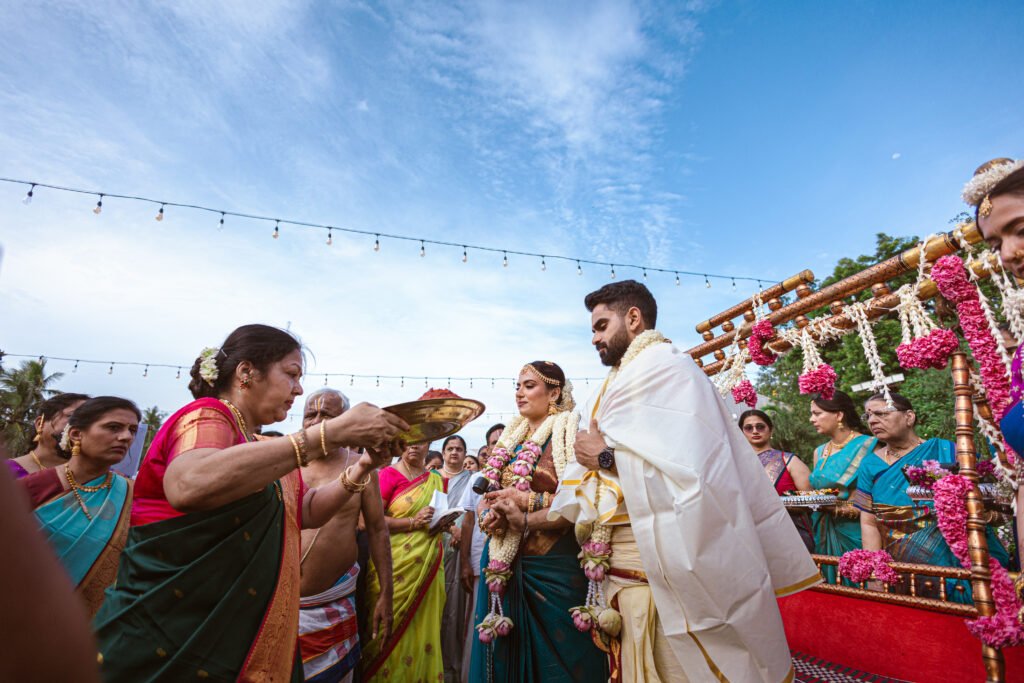
A Brahmin wedding is a beautiful celebration of tradition, family and the beginning of a new chapter in a couple’s life. From meaningful pre-wedding ceremonies to sacred wedding rituals, every moment reflects cultural values that have been passed down through generations. The blessings of elders, the presence of family members, and the customs followed during the ceremony make the occasion truly special.
While the traditions may vary between Iyer, Iyengar and other Brahmin families, the essence of the celebration remains rooted in togetherness and commitment. Understanding these rituals helps couples appreciate the significance of each ceremony and prepare for their wedding with confidence. In this guide, we explore the important Brahmin wedding rituals, traditional attire, and meaningful moments that make these weddings memorable.
What Makes a Brahmin Wedding Special?
A Brahmin wedding is special because of the traditions, spiritual significance, and family connections that come together throughout the celebration. Each ceremony has its own meaning, from seeking the blessings of elders to performing sacred rituals that mark the couple’s journey into married life. The involvement of family members makes these occasions deeply personal and memorable.
In a traditional Tamil Brahmin wedding, rituals such as Kashi Yatra, Oonjal, and Mangalya Dharanam are important highlights, although the customs and sequence may differ between Iyer and Iyengar families. Traditional silk sarees, veshti, jasmine flowers, and the sounds of wedding music add to the cultural beauty of the occasion.
Beyond the ceremonies, what makes a Brahmin wedding truly meaningful is the emotion behind every moment. The pride in parents’ eyes, the happiness of relatives, and the couple’s expressions during important rituals create memories that last a lifetime. These details make each wedding unique and worth preserving.
Pre-Wedding Rituals in a Brahmin Wedding
Pre-wedding rituals are an important part of a Brahmin wedding, bringing both families together before the main ceremony. These customs help prepare the couple for their new journey while seeking the blessings of elders and following traditions that have been practised for generations. The rituals may vary depending on the family’s community, customs, and preferences.
Nichayathartham (Engagement)
Nichayathartham marks the formal confirmation of the marriage between the two families. The ceremony often involves exchanging gifts, presenting traditional offerings, and blessing the couple as they prepare for their wedding.
Pandha Kaal Muhurtham
In families that follow this custom, a ceremonial post is installed before the wedding as a symbolic gesture of seeking blessings for a smooth and auspicious celebration. It is often performed with close family members in attendance.
Sumangali Prarthanai
This ritual is observed in some Tamil Brahmin families to honour married women who have passed away and seek their blessings for the bride’s married life. The ceremony may include prayers and a traditional meal offered to married women.
Janavasam
In traditions that include Janavasam, the groom is ceremonially welcomed by the bride’s family, traditionally through a procession or public reception. It brings relatives and well-wishers together and builds excitement ahead of the wedding ceremony.
These pre-wedding traditions add meaning to the celebrations and create opportunities for families to share special moments together. For couples, understanding which rituals are part of their family’s customs can make wedding preparations more organised and meaningful.
Important Brahmin Wedding Rituals and Their Meaning
The main wedding ceremony is the heart of a Brahmin wedding, bringing together sacred traditions, family blessings, and meaningful customs. Each ritual represents an important step in the couple’s journey into married life. Although the order and practices may differ between Iyer, Iyengar, and other Brahmin families, several traditional ceremonies are widely recognised in Tamil Brahmin weddings.
Kashi Yatra
Kashi Yatra is a playful and symbolic ritual in which the groom pretends to leave for Kashi to pursue a spiritual life instead of getting married. The bride’s father or another elder persuades him to return and embrace married life. This ceremony adds a light-hearted moment to the traditional wedding proceedings.
Oonjal (Swing Ceremony)
In families that follow the Oonjal tradition, the couple sits together on a decorated swing while relatives sing traditional songs and participate in customary blessings. The ceremony symbolises the couple beginning their life together, supported by the love and care of their families.
Kanyadanam
Kanyadanam is a significant ritual in which the bride’s parents formally entrust their daughter to the groom. It carries deep emotional meaning for the family and is often one of the most touching moments of the wedding ceremony.
Mangalya Dharanam
Mangalya Dharanam is one of the most anticipated moments of a traditional Tamil Brahmin wedding. The groom ties the thali, or sacred marriage pendant, around the bride’s neck according to the family’s customs. The moment is often accompanied by traditional music, blessings, and joyful celebrations from family members.
Saptapadi
In traditions that include Saptapadi, the couple takes seven steps together as part of the wedding ceremony. These steps are associated with shared commitments and responsibilities in married life. The precise form and significance of the ritual can vary across traditions.
Each of these rituals contributes to the cultural and emotional richness of a Brahmin wedding. Understanding their meaning allows couples and families to appreciate the ceremony beyond its individual customs and helps preserve these traditions for future generations.
Traditional Brahmin Wedding Attire and Customs
Traditional attire plays an important role in a Brahmin wedding, adding colour, elegance, and cultural significance to the celebration. From the bride’s silk saree to the groom’s traditional veshti, the clothing and accessories reflect customs that have been cherished across generations.
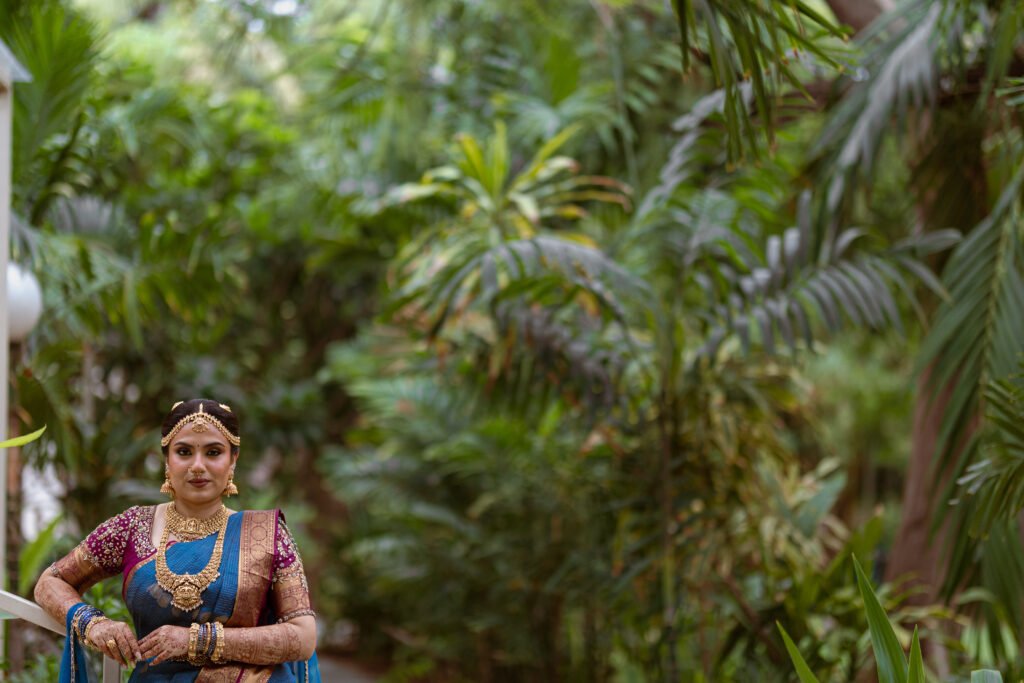
For the bride, a Kanchipuram silk saree is a popular choice, often selected in rich colours with intricate zari work. Gold jewellery, jasmine flowers woven into her hair, and traditional accessories complete the bridal look. Some brides also wear family heirlooms, adding a personal touch to their wedding attire.
The groom typically wears a traditional veshti paired with an angavastram or another customary upper garment. Depending on family traditions, he may also wear a traditional headpiece and other ceremonial accessories. The simplicity and elegance of this attire complement the bride’s wedding ensemble.
Beyond clothing, customs such as applying traditional adornments, exchanging garlands, and seeking blessings from elders contribute to the atmosphere of the wedding. Families may also incorporate specific practices, jewellery, or garments passed down through generations.
These traditional details offer beautiful opportunities for wedding photography. The intricate saree borders, gold jewellery, jasmine flowers, and the couple’s expressions during important ceremonies all help tell the story of the day. Preserving these details allows couples to look back on not only how they celebrated but also the traditions that made their wedding meaningful.
Brahmin Wedding Photography: Moments Worth Preserving
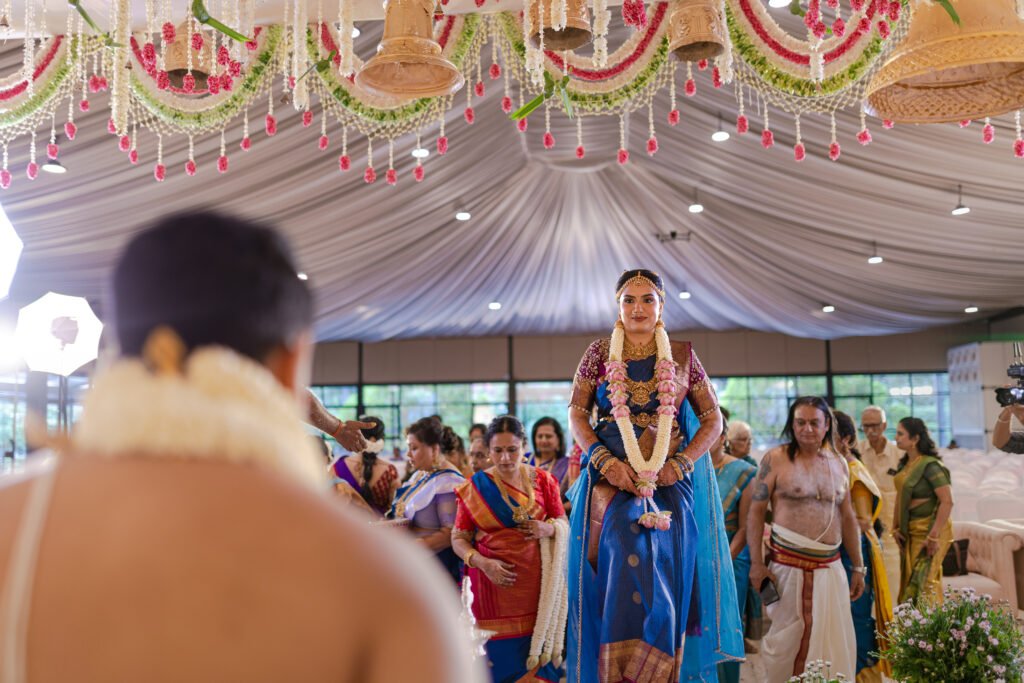
A Brahmin wedding is filled with meaningful rituals, family traditions, and genuine emotions that deserve to be remembered. From the thali-tying ceremony to the joyful exchange of garlands, every moment tells a part of the couple’s story.
Along with the main rituals, candid photographs of parents, grandparents, and relatives add a personal touch to the wedding album. Traditional details such as the bride’s silk saree, gold jewellery, jasmine flowers, and the groom’s veshti also help preserve the beauty of the occasion.
At DStudios, we focus on capturing both important ceremonies and natural emotions, creating lasting memories that couples can cherish for years to come.
Tips for Couples Planning a Brahmin Wedding
Planning a Brahmin wedding becomes easier when couples understand the rituals and coordinate with their families well in advance. Here are a few tips to help make the celebrations smooth and memorable.
- Discuss rituals with elders: Confirm the ceremonies followed by your family and consult the priest about the sequence and timings.
- Prepare a wedding checklist: Keep traditional attire, jewellery, ceremonial items, and other essentials ready before the wedding day.
- Plan the ceremony timeline: Coordinate with your family and vendors to ensure each ritual takes place without unnecessary delays.
- Choose an experienced photography team: Discuss the important rituals with your photographers beforehand so they can capture every significant moment without interrupting the ceremony.
With thoughtful planning, couples can focus on enjoying their wedding while preserving the traditions and memories that matter most
Final Thoughts
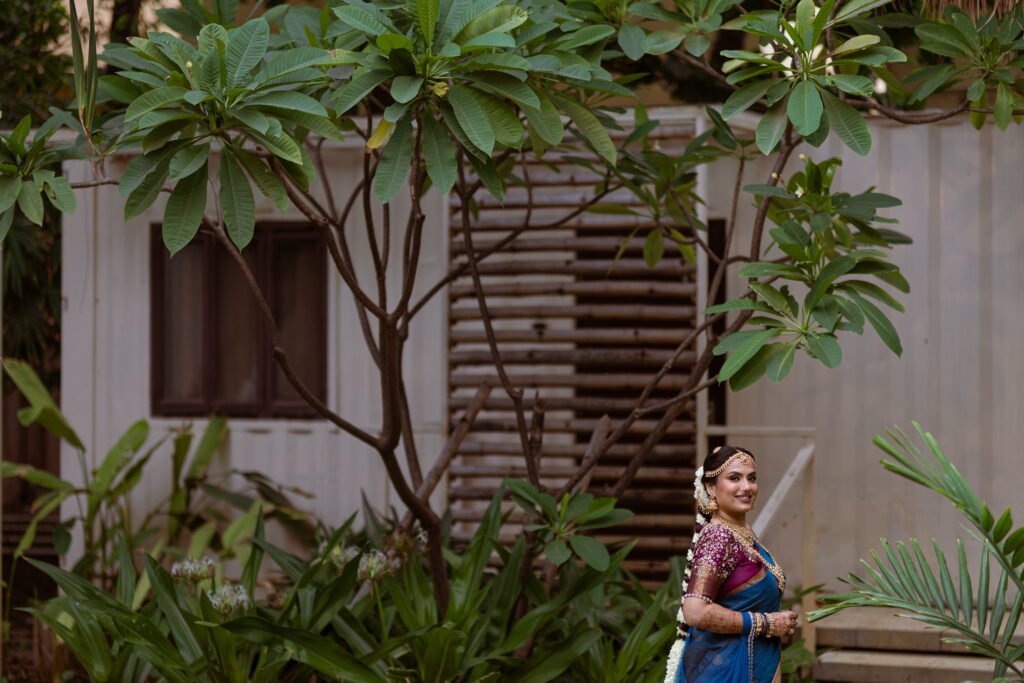
A Brahmin wedding is a beautiful blend of tradition, family, and meaningful rituals that make the beginning of married life truly special. From pre-wedding ceremonies to the sacred wedding moments, every part of the celebration holds memories worth cherishing.
At DStudios, we love capturing these traditions alongside the genuine emotions that make every wedding unique. If you’re planning your wedding and looking for a team to preserve your special moments, explore our wedding photography services and let us tell your story through timeless photographs.