

What Elopement Really Means, and How to Plan One That Feels Right
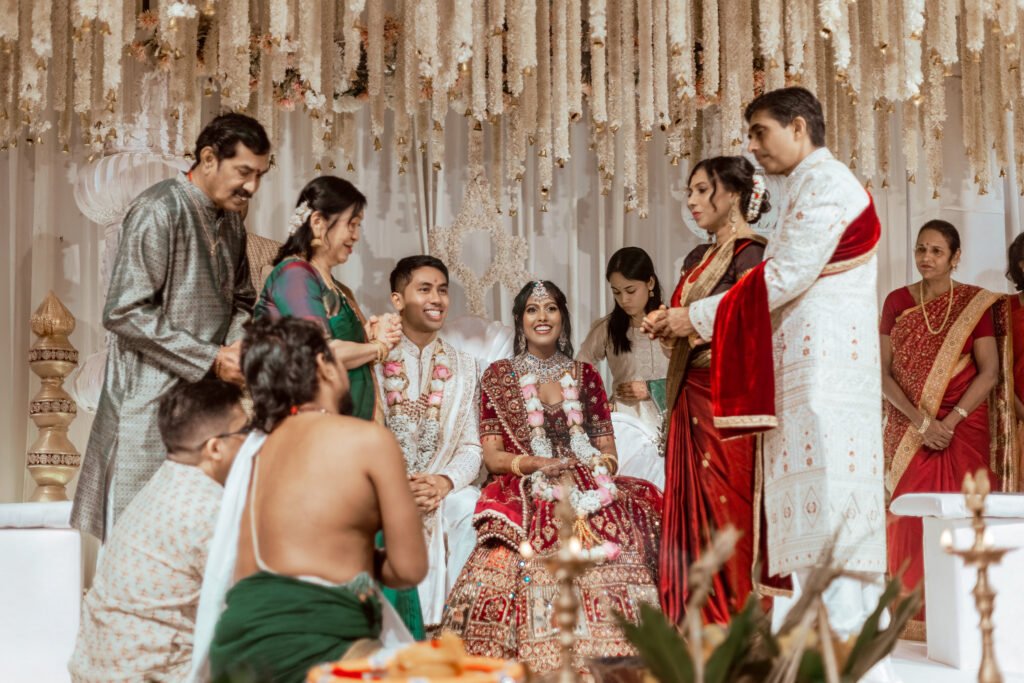
Say the word “elopement” to five different people and you will probably get five different reactions. Someone’s aunt still associates it with scandal. A cousin who got married last year calls it the smartest decision she made. The word hasn’t changed, but what people mean by it clearly has. Worth sorting out what it actually means before you start planning around it.
What Elopement Actually Means
Originally, elopement meant something fairly specific. A couple leaving quietly, often in a hurry, to marry without their families’ knowledge or approval. It carried real weight, sometimes tied to family disapproval, sometimes to circumstances that made a public wedding impossible. That meaning hasn’t disappeared and in a lot of households, it is still the first thing people think of when they hear the word.
But the term has picked up a second, newer meaning over the last several years. Couples now use “elopement” to describe a small, intentional wedding, sometimes just the two of them, sometimes with a handful of close family, often with everyone fully aware and even involved in the planning. No secrecy required. The word stayed the same. What it points to has clearly split in two.
Elopement vs. a Small Wedding: What's Actually Different
The instinct is to draw the line at guest count, fewer people means elopement, more people means small wedding. That’s not quite it. Plenty of weddings with fifteen guests still feel like traditional weddings, just scaled down. And some elopements with a few extra people invited still feel entirely like an elopement.
The real difference sits in what the day is actually built around. A small wedding is still, at its core, designed around guests, even a handful of them, comfort, hospitality, making sure everyone feels included. An elopement is built around the couple first. Guests, if there are any, are there because the couple wanted them there, not because the day needs them there. That shift in focus changes almost everything else, the planning, the pacing, even how the day is remembered afterward.
Why Couples Are Choosing to Elope
Stress is usually the first word out of someone’s mouth when you ask why they eloped. Seating charts, guest lists, family members who suddenly have opinions about flowers. One bride told us she spent more time managing her aunt’s expectations than actually planning the wedding she wanted.
Money’s part of it too, though people don’t always lead with that. A friend of ours put what she would have spent on a banquet hall into a three week honeymoon instead. She doesn’t regret it.
Mostly though, it comes down to just wanting the day to be theirs. No two hundred person guest list to keep happy. No explaining choices to relatives who weren’t invited. Just the two of them, deciding what actually matters.
How Elopement Is Understood Differently in India
The word carries more weight here than it does in a lot of other places. For a long time, elopement in India has meant one specific thing, a couple marrying without family knowledge, often against their wishes, sometimes because of caste or religious differences the families wouldn’t accept. It wasn’t a choice made lightly, and it rarely came without consequences. That history is real, and it hasn’t gone away.
But a newer generation of couples has started using the same word for something entirely different. A small, planned wedding, families fully aware, sometimes even helping organize it, just with far fewer guests and far less pressure than a traditional big fat Indian wedding demands. No secrecy involved. It’s simply a couple deciding they want a smaller, more intentional version of the same commitment.
Both meanings exist side by side right now, which is exactly why the word causes so much confusion. Someone’s grandmother hears “elopement” and assumes the worst. Someone’s cousin uses the same word to describe the wedding they’re actually excited about.
How to Plan an Elopement: Step by Step
Choosing Your Location
This matters more for an elopement than it does for a traditional wedding, since the location often becomes the whole experience rather than just a backdrop. A quiet hill station, a beach at sunrise, even a favorite spot that means something to the two of you works better than a generic banquet hall. Think about what kind of day you actually want, and let the location follow from that rather than the other way around.
Deciding Who to Include, If Anyone
Some couples elope completely alone, just the two of them and an officiant. Others invite a handful of parents or siblings. There’s no wrong answer here, but it’s worth deciding early, since it shapes almost everything else, the venue size, the budget, even the tone of the day.
Keeping the Marriage Legal
Whatever the ceremony looks like, the legal side still needs to be handled properly. In India, that usually means registering the marriage under the Special Marriage Act or the relevant personal law, depending on the couple’s background. It’s worth sorting this out well in advance, since registration timelines and requirements can catch people off guard if left too late.
Setting a Realistic Budget
Elopements tend to cost far less than traditional weddings, but “far less” still needs a real number attached to it. Location, travel, a small ceremony setup, and photography usually account for most of the spend. Without a large guest list to cater for, most of the budget can go toward things that actually matter to the couple, rather than being spread thin across two hundred plates.
Capturing the Day Properly
This is often the one thing couples don’t cut corners on, and for good reason. With no big gallery of guest candids to fall back on, the photography from an elopement carries more weight, it’s essentially the entire record of the day. A photographer who understands how to work with just two people, rather than a large crowd, makes a real difference here.
Final Thoughts
Elopement means different things to different people, and that’s unlikely to change anytime soon. What matters more than the definition is being clear, with yourselves and with your families, about what kind of day you actually want and why. Once that’s settled, the planning tends to fall into place.
If you are considering an elopement style wedding and want it captured the way it actually feels, intimate, real, and entirely yours, get our free personalised quote now.