

Kongu Wedding: A Journey Through Its Traditions
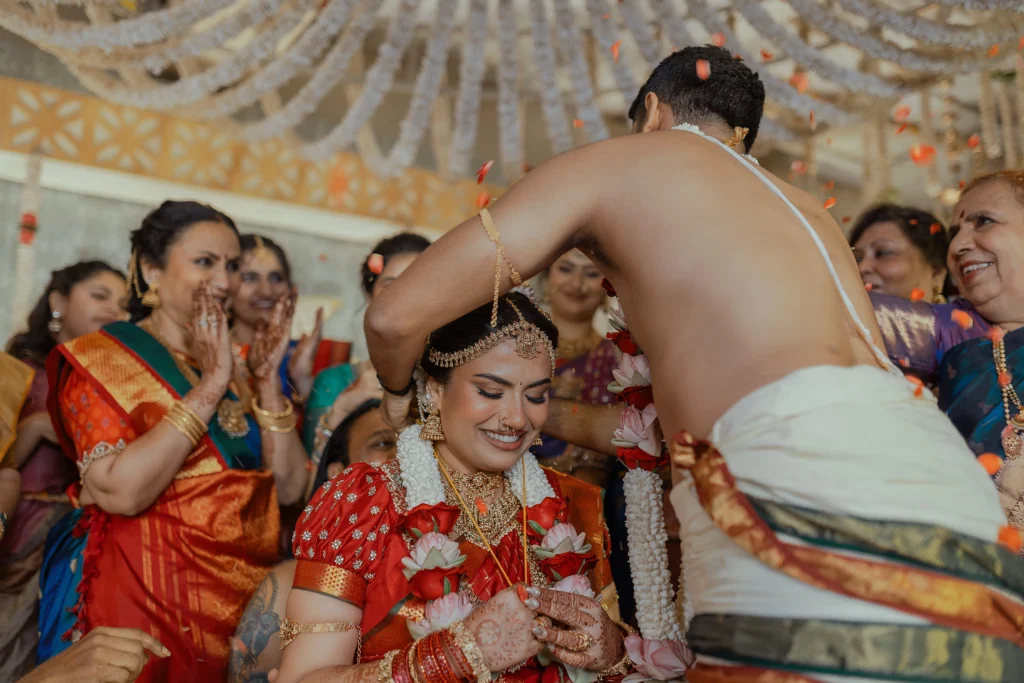
A Kongu wedding is more than a single wedding ceremony. It is a celebration that brings families, relatives and traditions together over several days, with each part of the occasion carrying its own meaning. From the early family discussions and pre-wedding customs to the main wedding and celebrations that follow, the focus remains strongly connected to family and community.
For families in the Kongu region, including Coimbatore and nearby areas, many of these traditions have been passed down through generations. At the same time, modern weddings are finding new ways to include these customs alongside contemporary venues, décor, receptions and celebrations.
While the exact rituals can differ from one family to another, the essence remains the same: bringing two families together while keeping the customs that make a Kongu wedding distinct.
What Makes a Kongu Wedding Unique?
A Kongu wedding has a distinct character because of the way traditional customs, family involvement and community celebrations come together. Rather than being limited to the main wedding ceremony, the celebrations traditionally extend across different stages, giving relatives plenty of opportunities to come together and take part.
One of the noticeable aspects is the importance given to family participation. Relatives often have an active role in the preparations, rituals and meals, making the wedding feel like a shared family occasion rather than an event centred only around the bride and groom.
At the same time, Kongu wedding traditions are not exactly the same for every family. Customs and the order in which they are followed can vary, while many families today combine traditional rituals with modern venues, décor and wedding celebrations. This balance between heritage and changing wedding styles is what makes each Kongu wedding unique.
Kongu Wedding: Pre-Wedding Traditions
A Kongu wedding begins well before the main ceremony. Traditionally, the early stages involve both families coming together, discussing the alliance and preparing for the celebrations. While the exact customs can vary between families, a few traditions are commonly associated with the beginning of a Kongu marriage.
Porutham Parthal
One of the first steps is Porutham Parthal, where the compatibility of the bride and groom is considered, traditionally through horoscope matching. For many families, this is also a time when both sides get to know each other and discuss the marriage before formally moving ahead.
Sagunam Parthal
In some traditional families, Sagunam Parthal follows, where auspicious signs or omens are considered before proceeding with the wedding arrangements. This reflects the importance traditionally given to beginning the marriage on an auspicious note.
Nichayathartham
Once both families agree to the marriage, Nichayathartham formally marks the alliance. The families exchange auspicious items and confirm the wedding arrangements, including the date and other important details. It is also an opportunity for close relatives to come together and celebrate the beginning of the wedding journey.
Preparing for the Wedding
After the engagement, preparations gradually begin in both families. Relatives may come together to organise the wedding, prepare traditional items and plan the various celebrations. In a traditional Kongu wedding, this involvement of the wider family is an important part of the experience, making the wedding feel like a shared celebration rather than just an event for the couple.
The Three-Day Kongu Wedding Celebration
Traditionally, a Kongu wedding is celebrated across three days, with each day bringing the families together for a different part of the wedding journey. The celebrations begin with a family feast, continue with preparations for the main ceremony and conclude with the Muhurtham. The exact customs can vary between families, but this three-day structure is a defining feature of many traditional Kongu Vellalar weddings.
Day 1: Naal Virundhu
The first day is known as Naal Virundhu, a feast hosted by close relatives of the bride and groom. It gives both families an opportunity to come together, share a meal and spend time with one another before the main wedding celebrations begin. The emphasis is as much on family bonding as it is on the feast itself.
Day 2: Muhurtha Kaal
The second day focuses on getting everything ready for the wedding. Relatives come together to help with arrangements, including setting up the wedding pandal and preparing the space for the following day’s ceremony. Traditional practices associated with this day can also include the groom’s ceremonial grooming and announcing the wedding through traditional music or drumming.
For many families, this is one of the busiest parts of the celebration because everyone has something to contribute. The preparations themselves become a memorable part of the wedding, with relatives working, eating and celebrating together.
Day 3: Muhurtham
The third day is the main wedding ceremony. The bride and groom come together at the wedding stage in traditional attire, surrounded by their families and guests. The central moment is the tying of the thaali or Mangala Naan, followed by other customary rituals and blessings. A traditional wedding feast usually brings the celebrations to a close.
What makes these three days memorable is that the wedding is not treated as a single event. Each day has its own atmosphere, from the warmth of the first family feast to the preparations on the second day and the emotions of the Muhurtham.
Kongu Wedding Food, Attire & Celebrations
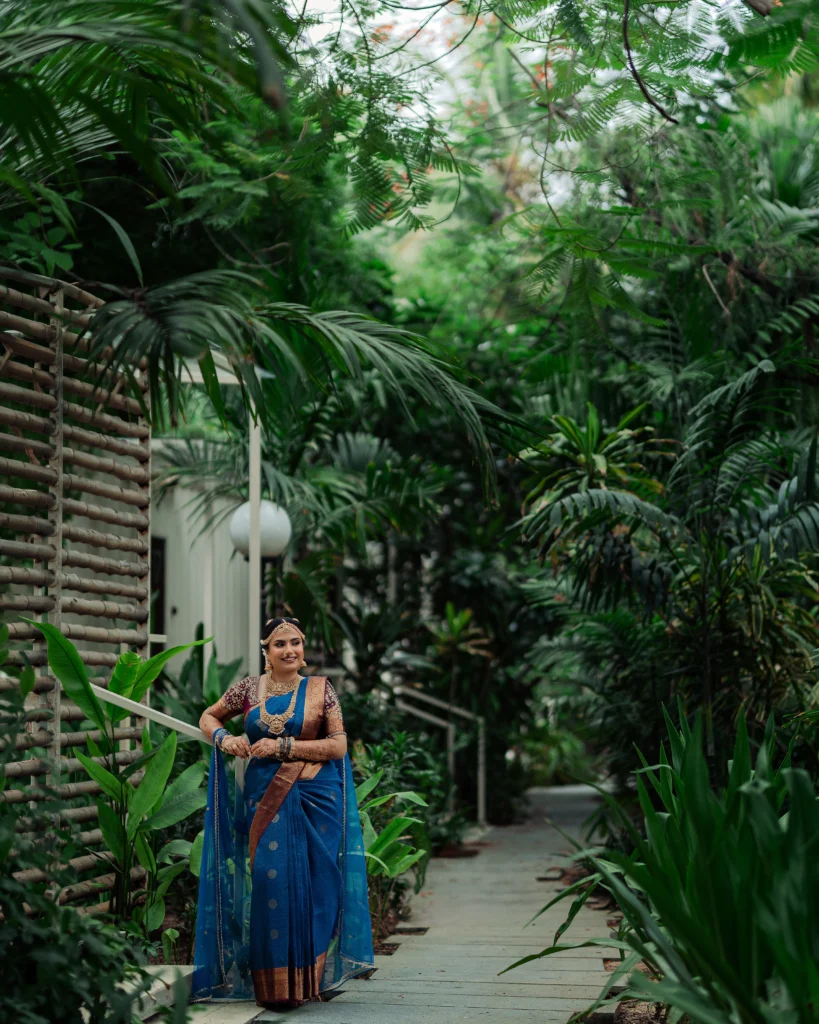
Food, traditional clothing and the overall atmosphere of the celebration add another layer to a Kongu wedding. The wedding feast is an important part of bringing relatives and guests together, while traditional attire and music help maintain the cultural character of the occasion. At the same time, modern Kongu weddings may combine these elements with contemporary décor and reception setups.
Traditional Wedding Food
Food has always been an important part of Kongu wedding celebrations. Large family meals are served during the different stages of the wedding, with relatives often coming together to help with preparations and serving. The menu can vary depending on the family and region, so there is no single menu that represents every Kongu wedding.
Bride and Groom Attire
Traditional attire remains an important part of the wedding ceremony. The bride may wear a traditional silk saree with jewellery and flowers, while the groom is dressed in traditional wedding clothing. Families may also have specific choices based on their customs, making the clothing an important part of the wedding’s visual identity.
Music, Pandal and Decorations
Traditional music and the decorated wedding pandal contribute to the atmosphere of the celebration. In traditional ceremonies, the pandal itself has cultural significance, while modern weddings may bring in floral arrangements, lighting and contemporary stage designs alongside traditional elements.
A Celebration Shared by the Family
Perhaps the most noticeable aspect is how much of the celebration involves the wider family. From preparing food and arranging the wedding space to participating in rituals and welcoming guests, relatives often contribute throughout the wedding. This gives a Kongu wedding a distinctly collective feel, where the celebration extends well beyond the bride and groom.
Post-Wedding Traditions in a Kongu Wedding
The wedding ceremony may come to an end with the Muhurtham, but the celebrations do not necessarily stop there. Post-wedding customs give the newly married couple time to receive blessings, meet extended family and begin their journey together. The exact rituals can differ between families, so not every Kongu wedding follows the same sequence.
Welcoming the Bride
One of the important moments after the wedding is the bride being welcomed into the groom’s family. This can include traditional blessings, gifts and customs that mark her entry into her new household. For the families involved, it is also an emotional transition as the couple begins their married life together.
Family Gatherings and Feasts
Post-wedding meals also continue the sense of togetherness that runs through a Kongu wedding. In some families, both sides come together for a Sammandhi Virundhu, celebrating the relationship that has been formed between the two families. Food becomes a simple but meaningful way for relatives to spend more time together after the main ceremony.
Nalangu and Informal Celebrations
Some families also include Nalangu, a lighter and more playful gathering involving the newlyweds and their relatives. These moments are less formal than the main wedding rituals and often create opportunities for laughter, teasing and interaction between the couple and their families.
These post-wedding moments may not receive as much attention as the Muhurtham, but they are often where the newly formed relationship between the two families becomes more visible.
Kongu Weddings in Coimbatore Today
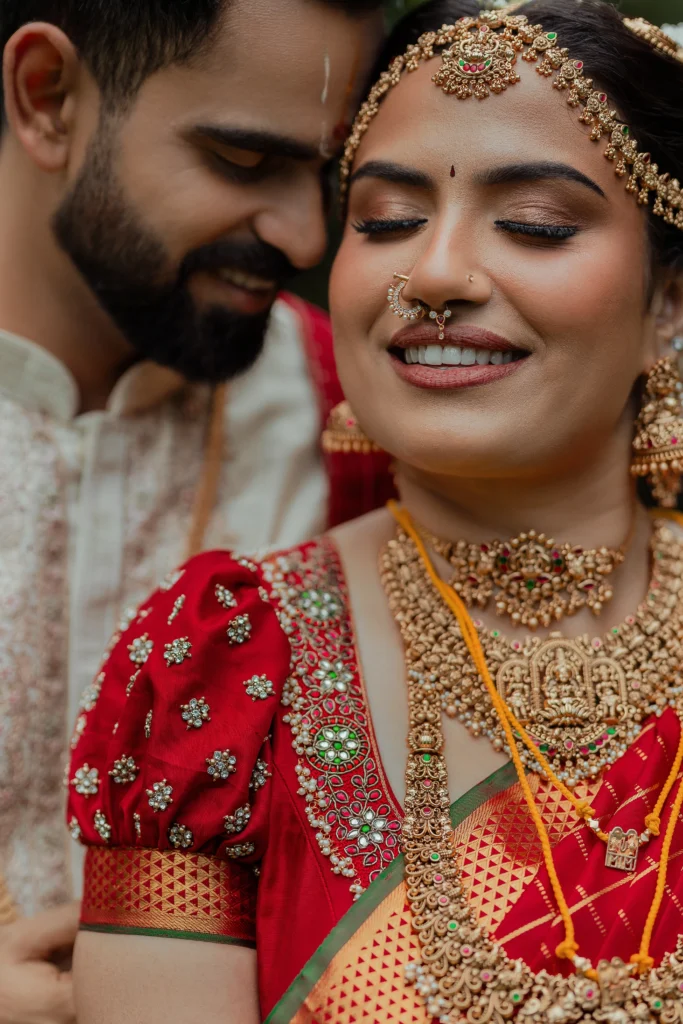
Kongu weddings in Coimbatore have evolved with changing lifestyles, but many families still make space for the traditions that have been passed down through generations. The three-day format and important rituals may remain at the heart of the celebration, while the setting around them has become more contemporary.
Traditional Rituals, Modern Venues
Today, a Kongu wedding may take place in a modern marriage hall, convention centre, hotel or a more intimate outdoor venue. Families can maintain their traditional rituals while choosing contemporary décor, floral arrangements, stage designs and lighting to suit their preferences.
More Than Just the Muhurtham
Modern celebrations may also include engagement functions, receptions, pre-wedding gatherings and other events alongside the traditional wedding ceremony. This gives couples more opportunities to celebrate with different groups of family and friends without moving away from the customs that matter to them.
Candid Moments Have Become Part of the Celebration
Photography has also become an important part of modern Kongu weddings. Instead of documenting only the main rituals, couples often want their photographers to capture the preparations, family interactions, traditional ceremonies, candid reactions and celebrations across all the wedding days.
This makes understanding the flow of a Kongu wedding especially important. The most meaningful photographs are not always the ones that happen on stage; they can also be found in the smaller interactions between families before, during and after the ceremony. DStudios has also documented Kongu weddings in Coimbatore, including celebrations that combine traditional rituals with contemporary wedding photography.
Capturing the Traditions of a Kongu Wedding
A Kongu wedding gives a photographer much more to capture than the main ceremony. The preparations, family interactions, rituals and spontaneous reactions throughout the celebrations all contribute to the story of the wedding. Since different families may follow different customs, understanding the sequence and significance of the rituals helps a photographer know which moments deserve attention. DStudios’ coverage of a Kongu Vellalar wedding, for example, documented moments from the pre-wedding rituals through the Muhurtham and reception.
Photographing the Small Moments
Some of the most meaningful photographs happen away from the wedding stage. Parents preparing for the ceremony, relatives helping with arrangements, elders giving blessings, the bride getting ready and candid conversations between family members can all become an important part of the final wedding story.
Documenting the Rituals
Traditional rituals need to be photographed with an understanding of what is happening rather than simply focusing on posed images. From the early ceremonies and family customs to the thaali-tying moment, the aim is to document both the ritual itself and the emotions surrounding it.
Capturing Genuine Family Emotions
With so many relatives involved, Kongu weddings naturally create plenty of emotional and candid moments. A grandmother watching the ceremony, parents reacting to the thaali ceremony or relatives celebrating together can sometimes become just as valuable as the couple’s portraits.
Telling the Complete Wedding Story
The best wedding collection should feel like a record of the entire celebration rather than a collection of isolated photographs. Combining traditional ceremony photographs with candid interactions, couple portraits, family photographs and reception moments allows the couple to look back and remember not only how the wedding looked, but also how it felt.
Final Thoughts
A Kongu wedding brings together much more than the bride and groom. From the customs that begin before the wedding to the rituals, family gatherings and celebrations that follow, every stage reflects the importance of tradition and togetherness.
While modern Kongu weddings in Coimbatore may look different in terms of venues, décor and celebrations, many families continue to preserve the customs that connect them to their roots. At the same time, each family brings its own way of celebrating, making every wedding different
That combination of tradition, family and personal touches is what makes a Kongu wedding memorable. For couples and families, it becomes not just a wedding ceremony, but a collection of moments and memories that can be passed down for generations.