

The Complete Outdoor Wedding Checklist and Timeline
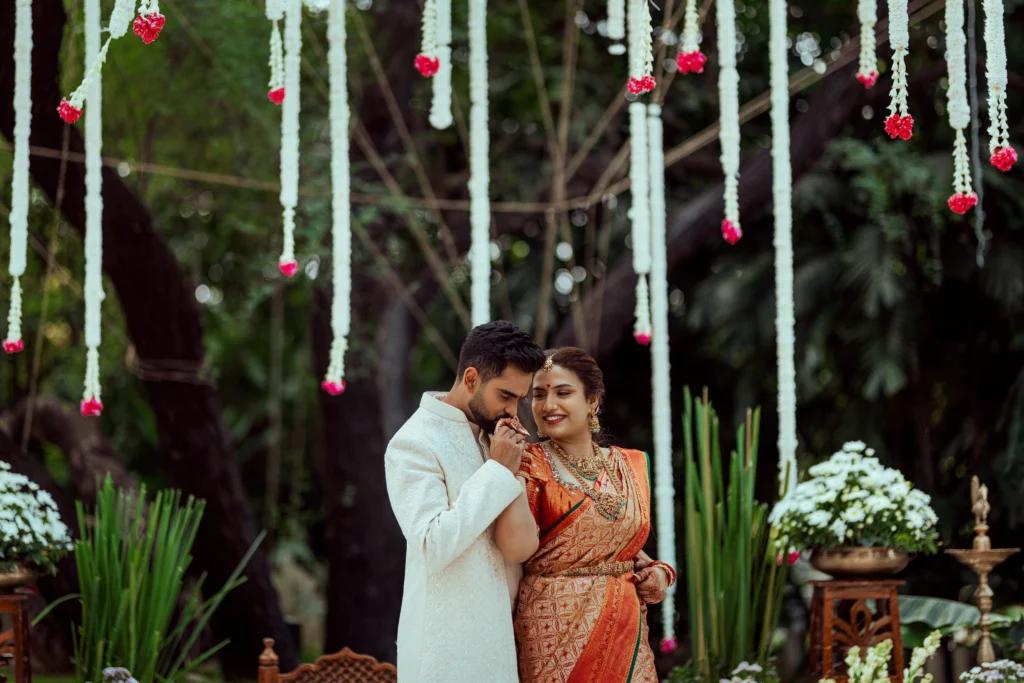
Outdoor weddings photograph beautifully and take far more planning than people expect going in. There is no ceiling to control the light, no walls to block the wind, no built-in backup if the sky doesn’t cooperate. Add in a full Indian wedding week, multiple functions, rituals involving fire, a guest list that runs into the hundreds and the planning gets considerably more involved than a single evening lawn ceremony. Here is what actually needs sorting out before the day arrives.
Choosing a Venue That Can Actually Handle It
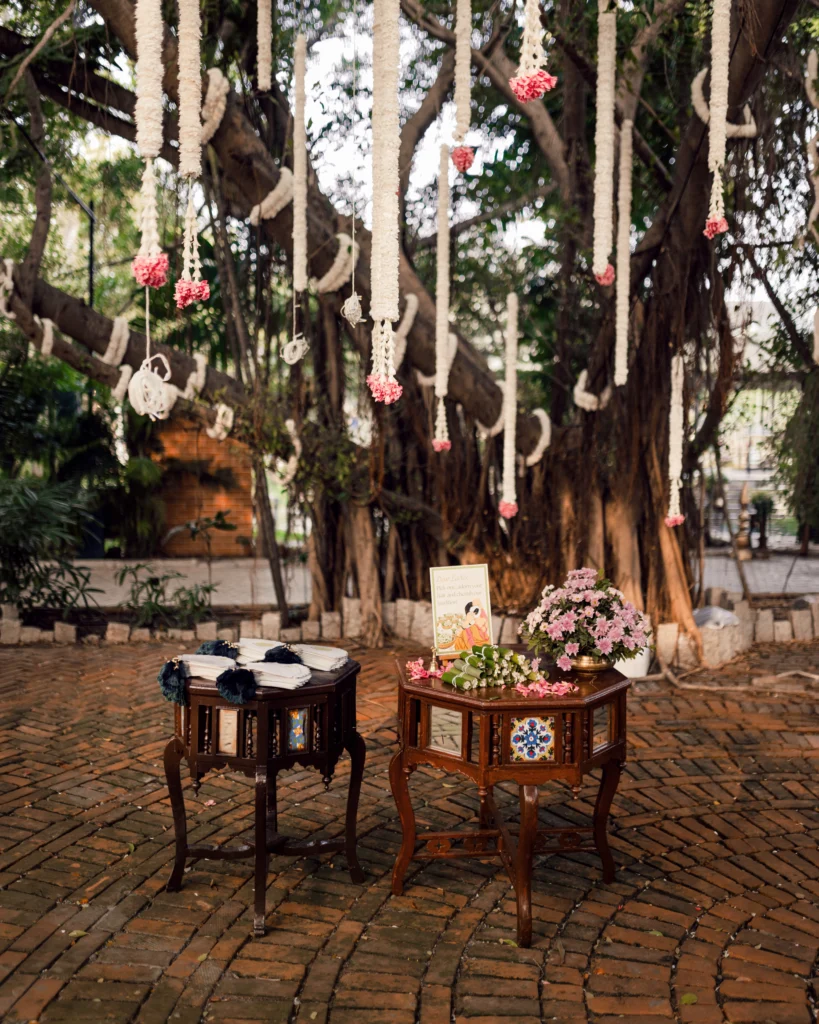
A beautiful lawn isn’t enough on its own. The venue needs to actually support what an Indian wedding week involves, enough space for multiple functions if they are happening on the same grounds, reliable power for lighting and sound, clean restrooms for a large guest list and clear access for vendors bringing in decor, catering equipment and generators.
Ask specific questions before booking. Is there a backup indoor space if the weather turns. How many guests has the venue actually hosted outdoors before, not just in theory. Is there enough parking, and is the ground itself stable enough for heels, chairs and a stage once it’s set up. A venue that looks perfect in photos but hasn’t been tested at the scale of an Indian wedding can turn into a long list of problems on the day itself.
STILL LOOKING FOR YOUR WEDDING VENUE?
We’ve curated 12 hidden & trending outdoor wedding venues around Chennai, ECR & Mahabalipuram — including garden lawns, beachside spaces, intimate venues and destination-style resorts. Get the free DSTUDIOS Outdoor Wedding Venue Guide and start building your venue shortlist
Planning Around the Weather, Not Hoping It Cooperates
Don’t leave the weather to chance. If the date falls anywhere near monsoon season, sort out a real backup plan early, not as a last-minute scramble once the forecast starts looking bad. Ask the venue exactly what their rain plan involves. Covered spaces, tents, how fast they can actually move things indoors if it comes to that.
Heat is its own problem, monsoon or not. A wedding scheduled for peak afternoon sun is hard on guests, especially the elders in the family and harder still on flowers, makeup, anything decor-related that wasn’t built to survive direct heat. Check historical weather for the actual date, not just the general season. It tells you a lot more than assuming it will probably work out.
Making Room for the Rituals
Fire changes everything about outdoor planning. If the wedding involves a homam or any ritual requiring an open flame, the spot needs real wind protection, not just a decorative canopy that looks nice but does nothing against a gust of wind. A slightly sheltered corner or a purpose-built structure works far better than an open stretch of lawn, both for safety and so the flame actually stays lit through the whole ritual.
Mandap placement deserves the same level of thought. Morning sun hits differently than evening light and a mandap facing the wrong direction can leave the couple and the priest squinting through half the ceremony. Walk the venue at the actual time of day the ritual will happen, not just whenever the site visit happens to be scheduled, so there are no surprises once the day itself arrives.
Mapping the Space for a Large Guest List
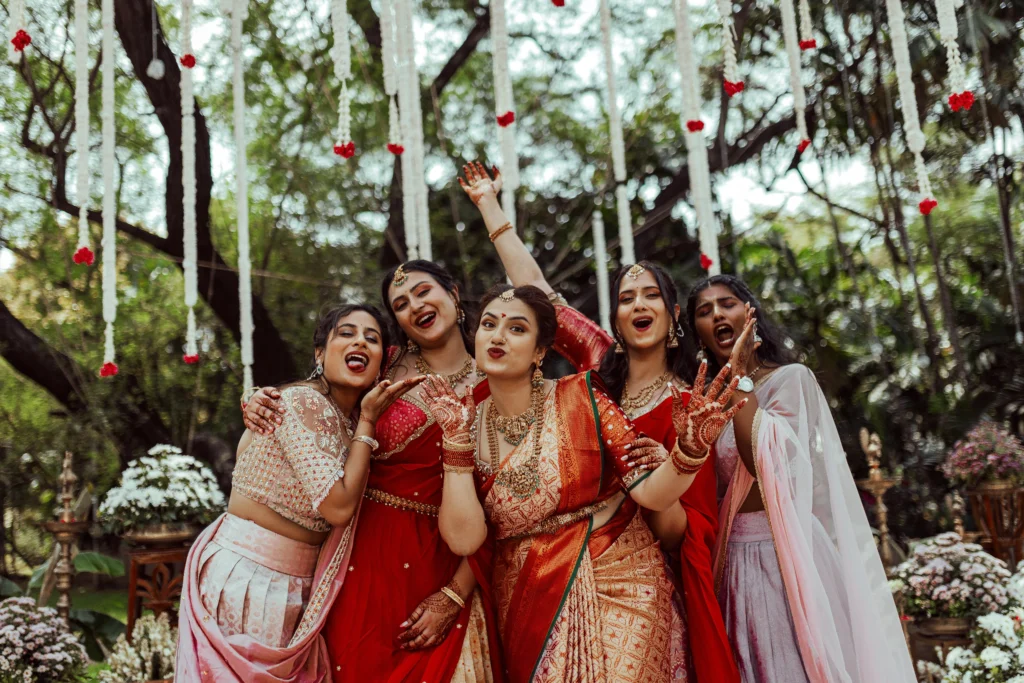
A large Indian wedding guest list needs real planning for how people actually move through an open space, not just enough chairs. Walkways need to be wide enough for people moving in both directions, especially elders who need a steady path rather than uneven ground to navigate. Shade matters beyond the ceremony seating too, guests will be standing around before and after, and a stretch of open sun with nowhere to wait comfortably wears people down fast.
If multiple functions are happening on the same grounds, think through how one space transitions into the next. Can the haldi setup be cleared and reset for the evening’s sangeet without guests standing around waiting, or does it need a separate area entirely. Mapping this out on paper before the day, literally sketching where everything goes, catches problems that are much harder to fix once tables and chairs are already in place.
A Simple Timeline: What to Sort Out and When
- Six to eight months out is the right time to lock in the venue itself, especially if it’s popular during the wedding season, along with a rough sense of which functions will happen where. This is also when weather patterns for your date are worth researching properly, rather than guessing based on the general season.
- Around three to four months out, decor, tent arrangements, and the venue’s actual backup plan should be confirmed in writing, not just discussed verbally. Power and sound vendors need to be locked in here too, since outdoor setups depend on them more heavily than an indoor hall ever would.
- By the one month mark, a proper walkthrough of the space helps catch anything that looks fine on paper but doesn’t quite work in person, seating layout, walkway width, where the mandap will actually sit at the right time of day. Generator backup and lighting should be tested here as well, not assumed to work on the day itself.
- In the final week, confirm the headcount with the venue, check the weather one more time and get a last confirmation from every vendor on their arrival and setup times. On the day itself, build in a real buffer for setup before guests arrive, and if there is a fire ritual involved, a quick safety check before it begins is worth the extra ten minutes.
Keeping Guests Comfortable Outdoors
Comfort outdoors takes real thought, especially with a guest list spanning every age group. Shade should sit close to the main action, not tucked away at the back where elders have to walk further in the heat just to reach it.
Small things add up.
Handheld fans for warmer months, water stations guests can actually reach without leaving their seats, clear signage so nobody’s wandering around trying to figure out where the restrooms are. None of it needs to be elaborate. It just needs to be thought through before the day, not improvised once everyone’s already there.
What Often Gets Forgotten
A few things consistently slip through the cracks. Lighting after sunset gets underestimated more than almost anything else, an outdoor space that looked perfectly bright during the afternoon site visit can go dark fast once evening functions start and by then it is too late to add more without it looking like an obvious fix.
Sound outdoors behaves differently than indoors too, it disperses rather than bouncing back the way it would in a hall, so what sounds fine in a quiet test often gets lost once a crowd actually fills the space. Generator backup is worth confirming twice, not once, since a power cut outdoors doesn’t just dim the lights, it can stop the ceremony entirely if sound and lighting both depend on it. These aren’t dramatic problems to plan for, they’re just easy to overlook until they show up on the day itself.
Final Thoughts
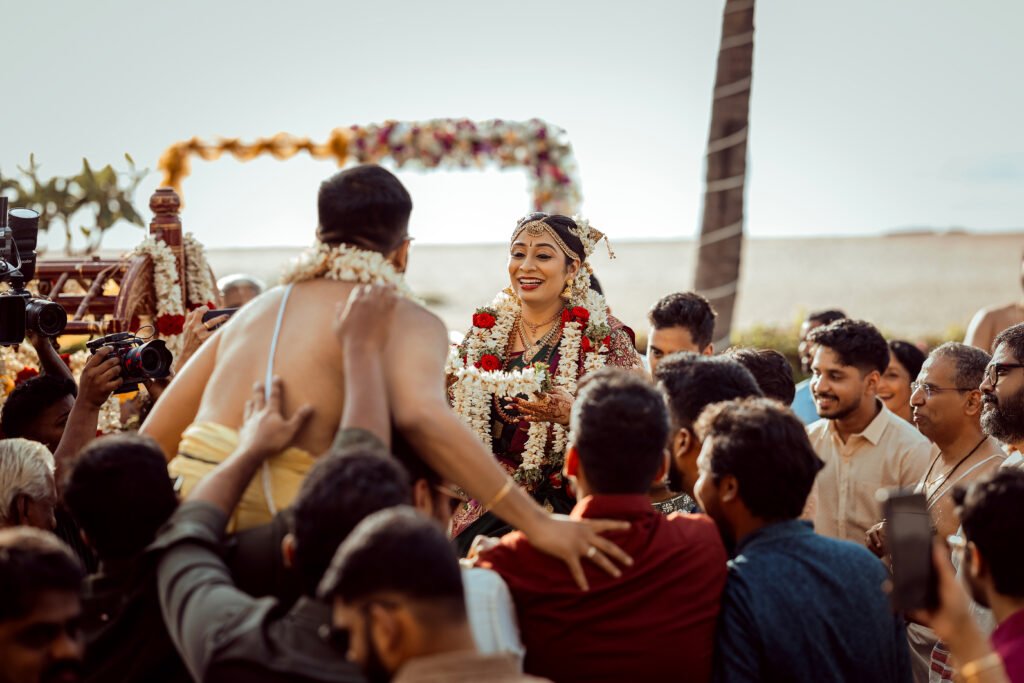
An outdoor wedding rewards the planning that happens well before the day, the venue that can actually hold the week, a real weather plan, enough thought given to where the fire goes and how a large family moves through the space. Get those right and the parts everyone actually remembers, the light, the setting, the whole feeling of it, tend to take care of themselves.
Ready to talk through your outdoor wedding? Get Your Personalized Quote Now.
Planning an outdoor wedding?
Get our free guide featuring 12 outdoor wedding venues around Chennai, ECR & Mahabalipuram.