

How to Plan a Beach Wedding
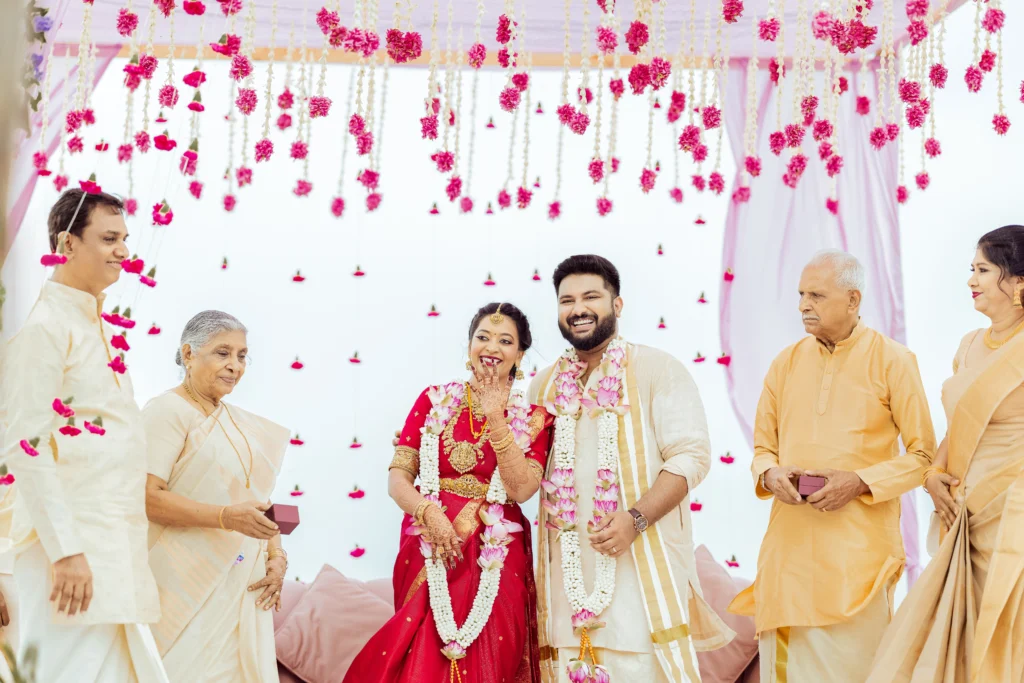
Most beach weddings end up looking the same online. Same arch, same white drapes, same shot of the couple walking barefoot toward the water. The ones that actually feel considered are usually doing a handful of things differently, and most of it has less to do with decor and more to do with working with the setting instead of around it. Here’s what that actually looks like.
Choosing the Right Coastline
Not every coastline works the same way. Goa has the most established infrastructure, venues, vendors, photographers who already know the light, though popular stretches trade away some privacy. Pondicherry is quieter and more intimate, better suited to smaller, personal weddings. Kerala’s backwaters bring their own atmosphere entirely, lush and humid, more landscape than backdrop. The Andamans are remote and genuinely private, but that isolation asks more of the planning.
The right choice comes down to what kind of day you actually want, intimate or social, easy to reach or worth the extra effort.
Letting the Ocean Set the Schedule
A beach wedding runs on a different clock than a hall or a hotel lawn. Tides matter more than most couples expect going in, a ceremony spot that looks perfect at low tide can be underwater two hours later, so checking the tide chart for the actual date is worth doing before anything else gets locked in.
Light matters just as much. Late afternoon into early evening gives the softest, warmest light and cooler temperatures for guests, while a midday ceremony under direct sun tends to wash out photos and test everyone’s patience. Monsoon season is worth avoiding entirely if possible, not just for the rain itself but for how unpredictable the coastline gets around it. Once the tide and the light are sorted, the rest of the schedule tends to fall into place around them, not the other way around.
Less Decor, More Setting
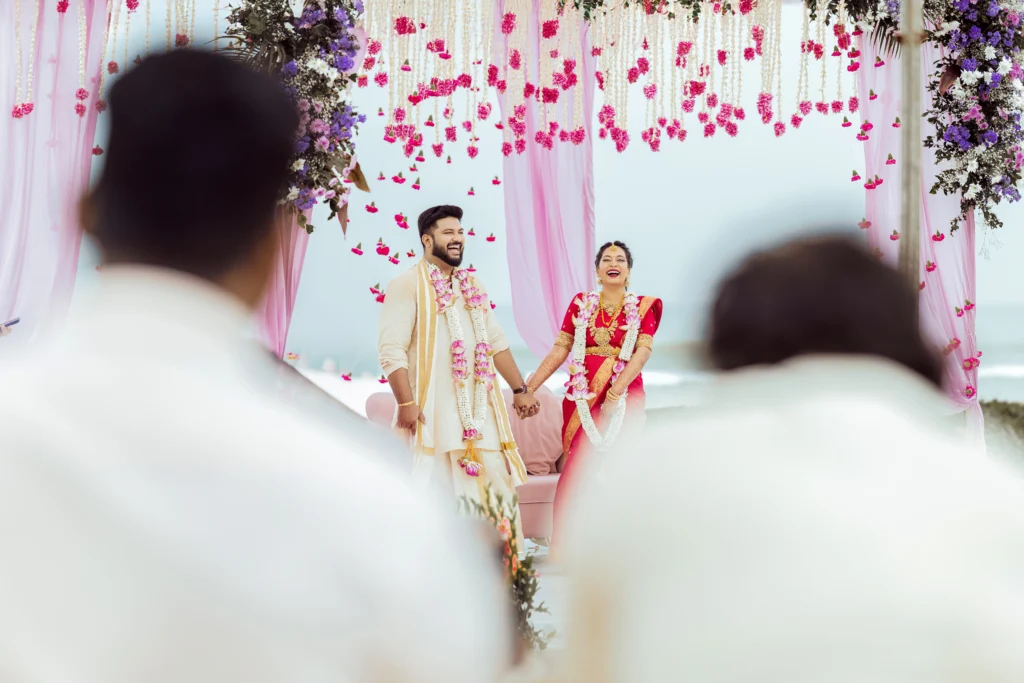
The instinct with any wedding is to decorate the space, but a beach already comes fully dressed. An elaborate mandap or an oversized floral structure tends to compete with the ocean rather than complement it, and in photos, it often ends up looking like the wrong thing was chosen as the focal point.
A simple arch in natural materials, driftwood, bamboo, or an understated floral frame does more with less. Neutral tones and whites hold up better against sand and water than saturated colors, which can clash with the natural palette already there. The best beach decor tends to disappear a little into the setting rather than announce itself, letting the ocean stay the backdrop it was always going to be anyway.
The Practical Stuff Nobody Wants to Think About
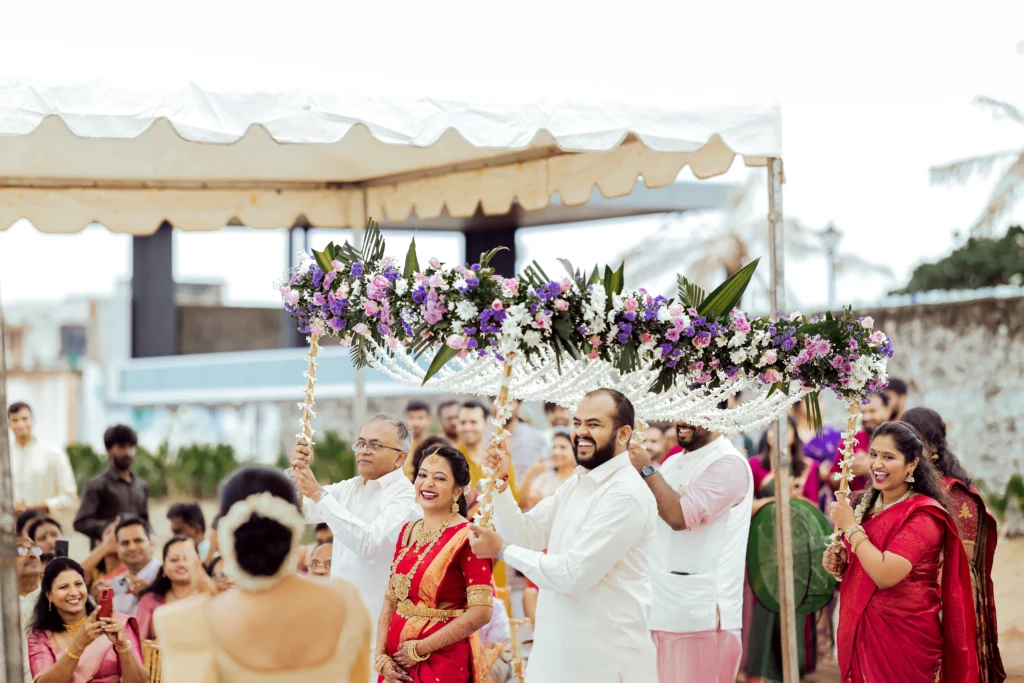
Wind ruins more beach weddings than anything else, and almost nobody plans for it properly. It gets into the hair, the drapery, the candles that won’t stay lit, even the vows themselves if there’s no proper sound system. Decor needs to be actually secured, not just weighted down and hoped for.
Shade matters too, even for an evening ceremony, since guests are still standing around well before and after. A few canopy structures or seating with real shade go a long way. Sand causes its own mess, heels sink straight in, chairs tip over, so flat matting or a simple platform under the main seating saves a lot of scrambling mid-ceremony. And keep a weather backup ready even in the driest months. The coast changes its mind faster than anywhere inland does.
Making Family Traditions Work Outdoors
Indian weddings rarely stop at one ceremony, and fitting a full sequence of rituals onto a beach takes some real thought. A haldi or sangeet works well enough on sand with the right setup, but anything involving fire, like a traditional homam, needs a controlled, wind sheltered spot rather than open beachfront, both for safety and so the flame actually stays lit.
Guest count matters more here than at an indoor venue. Larger families used to a banquet hall’s structure need clear pathways, enough seating, and shade nearby, since a beach doesn’t naturally organize a crowd the way a hall does. Some families choose to hold the more ritual heavy functions at a nearby venue and save the beach specifically for the wedding ceremony or a sundown reception, which tends to solve most of these problems without asking the coastline to do more than it comfortably can.
Why the Right Photographer Matters More Here
Beach light is beautiful and genuinely difficult to work with. It changes fast, harsh and flat at midday, warm and forgiving for a narrow window before sunset, and a photographer who hasn’t shot on sand before can miss that window entirely or end up fighting glare and blown out skies through the whole ceremony.
Movement adds another layer. Wind pulls at fabric and hair mid-shot, water levels shift through the ceremony, and guests tend to spread out more loosely than they would in a hall, all of which asks for someone who knows how to compose a frame that still feels intentional in the middle of that. This is one setting where experience with beach weddings specifically matters more than general wedding experience alone.
Final Thoughts
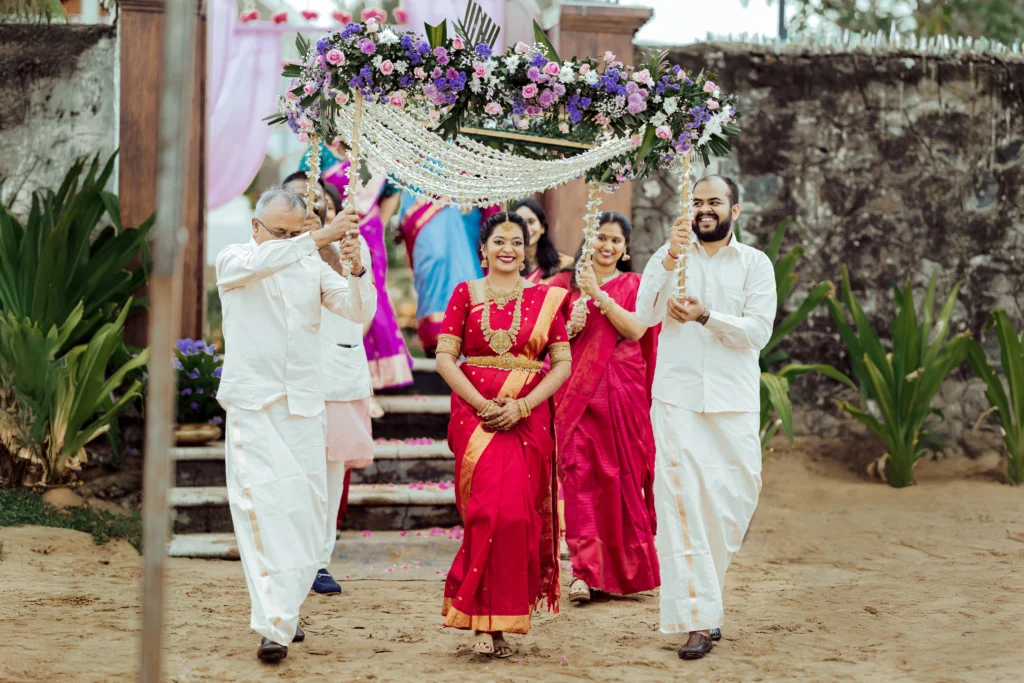
A beach wedding works best when the planning respects the setting instead of trying to override it. Pick the coastline with intention, let the tide and the light set the schedule, keep the decor simple enough to let the ocean do its job and the rest tends to come together more easily than people expect.