

The Complete Guide to Planning a Destination Wedding: Best Destinations for Wedding Couples in 2026
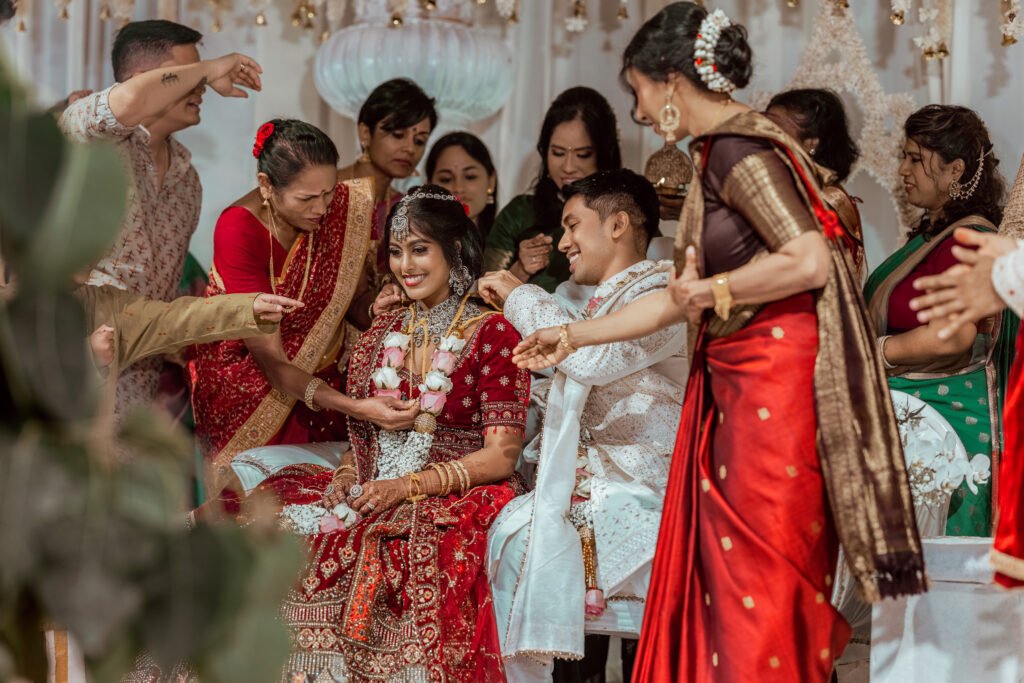
Planning a wedding away from home sounds fun, until you actually sit down and try to figure out where to start. You have to pick the right place, keep the budget under control, and hope your photographer actually knows the location well enough to shoot it properly. That is a lot to think about.
We have shot weddings in Bali, Malaysia and Vietnam, so we know what usually goes right and what goes wrong. This guide will walk you through everything you need for planning destination wedding from start to finish.
Choosing the Right Destination
This is usually the first big decision and also the hardest one. Do you want a beach, a hillside or something more traditional? Places like Bali, Malaysia, and Vietnam are popular for a reason. They are easy to reach, look great in photos and give you plenty of venue options to pick from.
But every place comes with its own weather, crowd and cost. What works for one couple might not work for you. This is where destination wedding planning really starts, thinking about what matters most to you and your partner before you lock anything in, whether that is convenience for guests, the kind of backdrop you want in your photos or simply staying within budget.
Picking a Venue
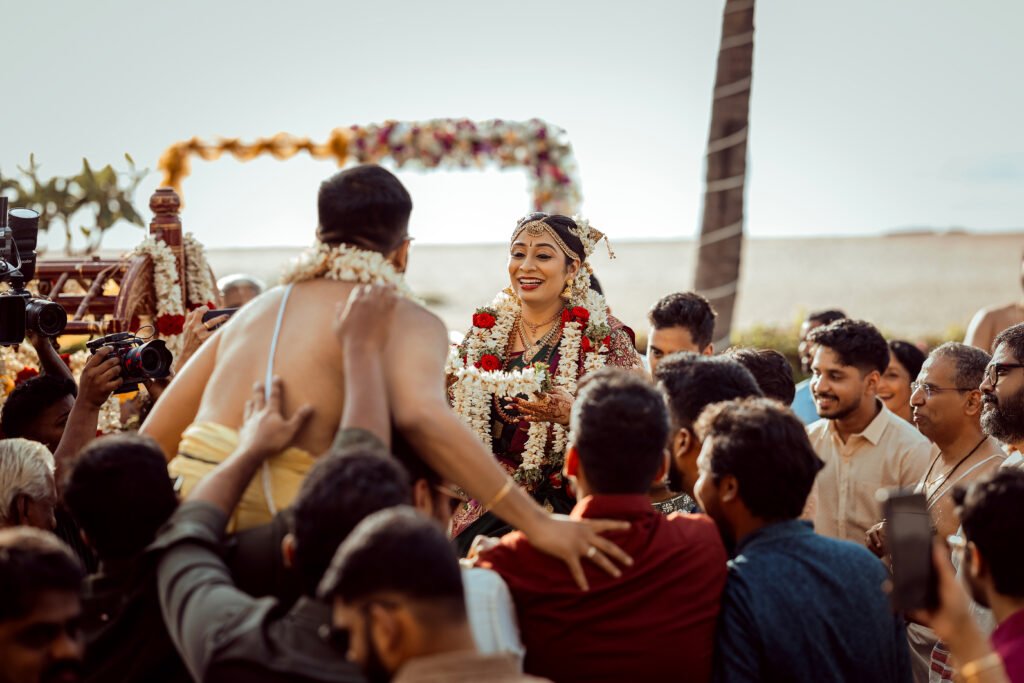
Not every beautiful venue makes for beautiful photos. Some places look amazing in person but turn out too crowded as well as too dark or just hard to shoot once the sun goes down. Before you book anything, think about the light. A morning ceremony needs soft, natural light coming in, while an evening event needs enough open space to set up proper lighting.
Also think about space, how much room you will need for the ceremony, the group photos and the quiet candid moments in between. This is a part of planning a destination wedding that’s easy to overlook, a venue can look perfect in pictures online and still not be the right fit once your photographer is actually working in it.
Budget
Once you have picked a place and a venue, the next question is money. Destination weddings cost more than a regular wedding simply because you are adding travel, stay and logistics on top of everything else.
It is easy to end up spending most of your budget on the venue and food and leaving very little for photography and video.
Try to set aside your photography budget early, before the other costs eat into it. A good rule of thumb is to treat it as one of your top three priorities and not a later option. Because these are the memories you will actually go back to years later.
Planning Timeline
Most couples book their venue first and think about photography later, but that often backfires. Good destination wedding photographers get booked out months in advance, especially during peak wedding season.
As soon as you lock in your date and location, reach out to your photographer, even if the rest of the planning isn’t finalized.
If you are planning a pre-wedding shoot, try to schedule it a few weeks before the main event, not right before. This gives you time to relax and gives your photographer time to explore the location properly instead of rushing through it.
Choosing the Right Wedding Photographer
This is probably the most important decision in the whole planning process. A destination wedding photographer needs more than just a good camera and a nice portfolio. They need to know how to work in a new place, deal with light that keeps changing and still catch real moments while everything is happening around them.
Before you decide, look through a photographer’s past destination work. See how they have handled different venues, different lighting and different kinds of ceremonies. If their older work looks natural and not too posed, that is usually a good sign they will shoot yours the same way.
Best Time of Year for Great Light & Weather
The time of year you pick can make a bigger difference than you would think.
Rain can ruin an outdoor ceremony and harsh midday sun isn’t the most flattering light for photos either. Most destinations have a dry season and a rainy season, so it is advisable to check the weather patterns before you lock in a date. Getting this right is one of the simpler parts of destination wedding planning, but it’s often the one couples overlook until it’s too late.
Early morning and late afternoon usually give the softest, most flattering light for photos. If you can plan your ceremony or key shoot around those hours, you will notice the difference in your final pictures.
Candid vs. Traditional — Choosing Your Photography Style
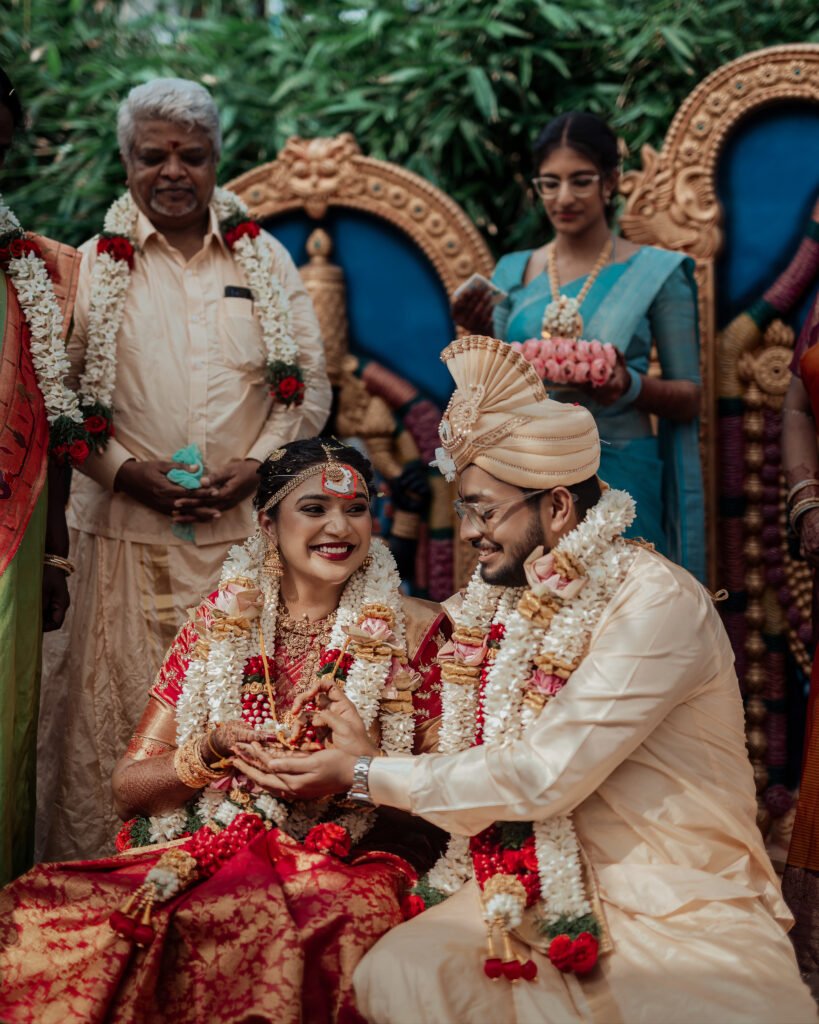
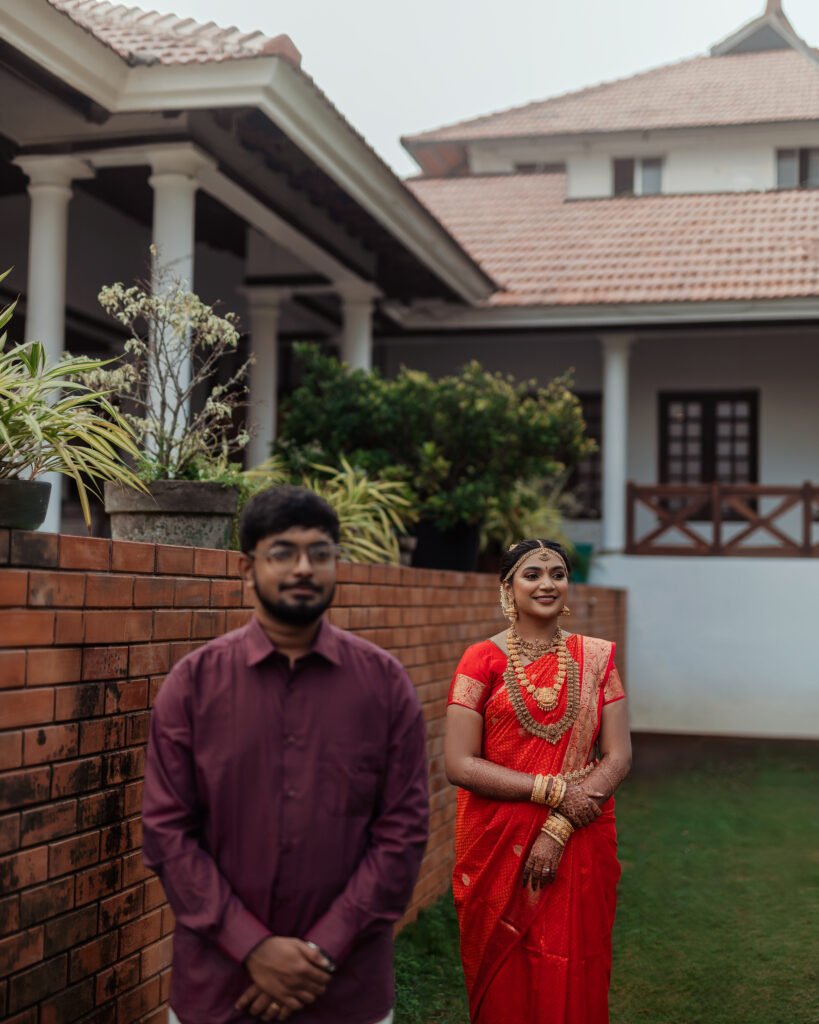
Before your big day, it helps to know what kind of photos you actually want. Traditional photography is more posed, think family portraits, formal shots and set-up moments. Candid photography focuses on catching things as they happen, laughter, tears, small glances between you and your partner, without anyone posing for the camera.
Most couples today go with a mix of both. You get the formal shots your family will want, along with the natural, unscripted moments you will actually want to look back on. Talk to your photographer early about which style matters more to you, so they know how to plan the day around it.
Final Thoughts
Planning a destination wedding takes work, but it doesn’t have to be stressful. Once you’ve picked your location, sorted your budget, and found a photographer who understands how to work in a new place, everything else usually falls into place.
If you are still figuring out the details, we would love to help you plan it out and capture it beautifully.